Most dash cam shopping starts after something goes wrong, or right before a long commute turns into a daily habit. Either way the question is the same: which camera will still be recording, and still readable, on the night you actually need it? This guide covers the best dash cams for night driving and full-car coverage, along with the memory cards that decide whether the footage survives long enough to hand to an adjuster.
The short version: three channels of coverage is now realistic at mainstream prices, a STARVIS 2 sensor with HDR is the specification to look for if you drive after dark, and the card in the slot matters as much as the camera on the glass. Everything below is compared on published specifications and included accessories, not on bench measurements.
Related: How to Choose a High Endurance microSD Card for a Dash Cam
Quick answer
The REDTIGER F17 4K 3CH Dash Cam is the strongest fit for drivers who want front, cabin, and rear coverage from one kit because it pairs a STARVIS 2 sensor with HDR, three recording channels, 5.8GHz WiFi, and a bundled 64GB card. Choose the 4K Dash Cam Front and Rear, Full HD 3 Channel Dashcam instead when you want a 4K front view and a rear view with a larger 128GB card included in the box.
Dash cams and memory cards worth comparing
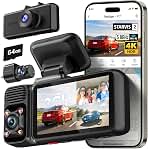
REDTIGER F17 4K 3CH Dash Cam, STARVIS 2 Sensor HDR, 64GB Card, 5.8GHz WiFi
Three-channel kit with a STARVIS 2 sensor and HDR, 5.8GHz WiFi, and a 64GB card included so the camera records from day one.
Visit on Amazon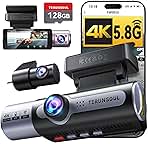
4K Dash Cam Front and Rear, Full HD 3 Channel Dashcam, Free 128GB Card
Front and rear recording with a third channel, paired with a 128GB card so more history stays on the card before the loop overwrites it.
Visit on Amazon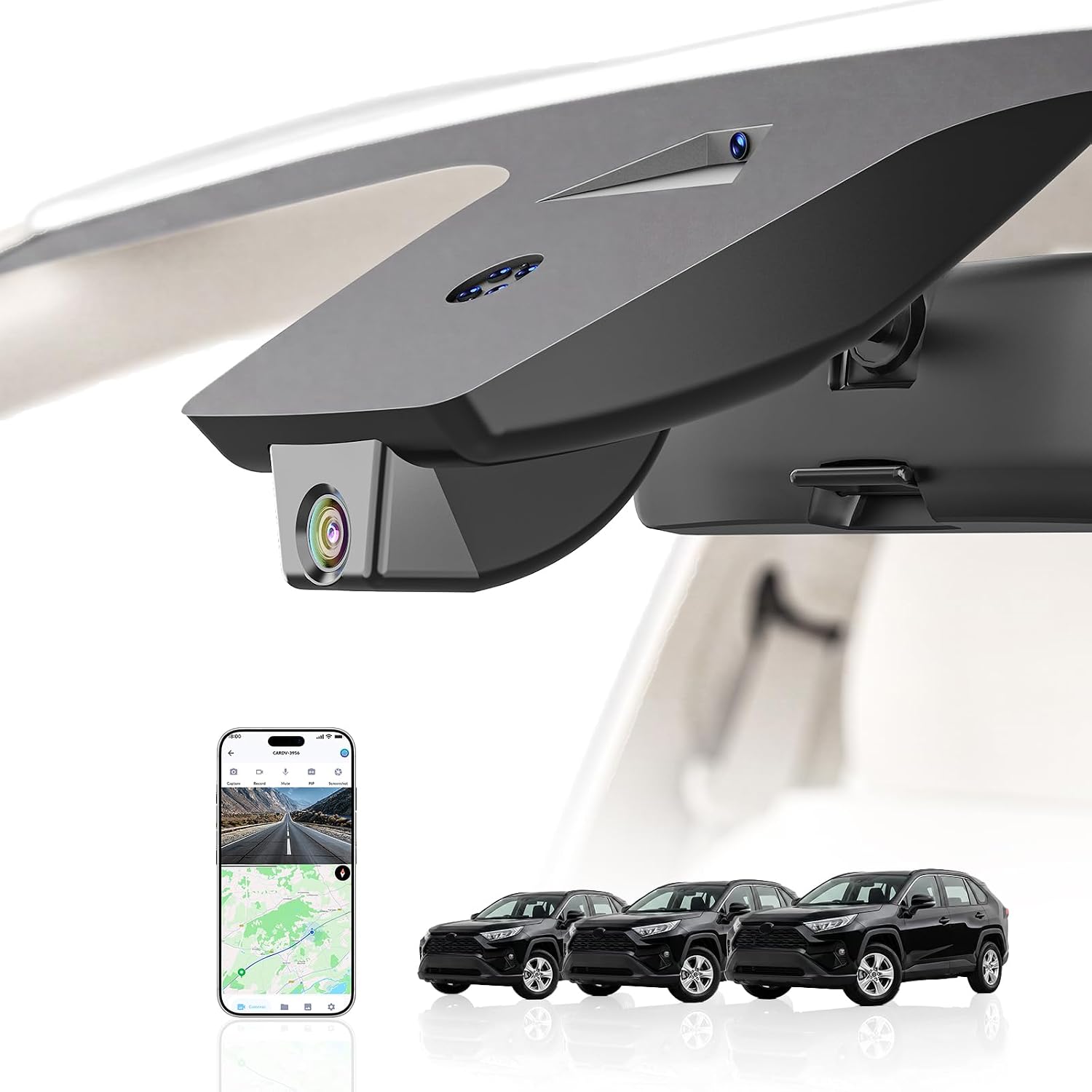
4K Dash Cam for Toyota RAV4 2022-2025 (Model B/with Vent Hole)
A vehicle-specific 4K camera built for 2022 to 2025 RAV4 dashboards with the vent hole trim, so the install follows the factory interior instead of hanging off the glass.
Visit on Amazon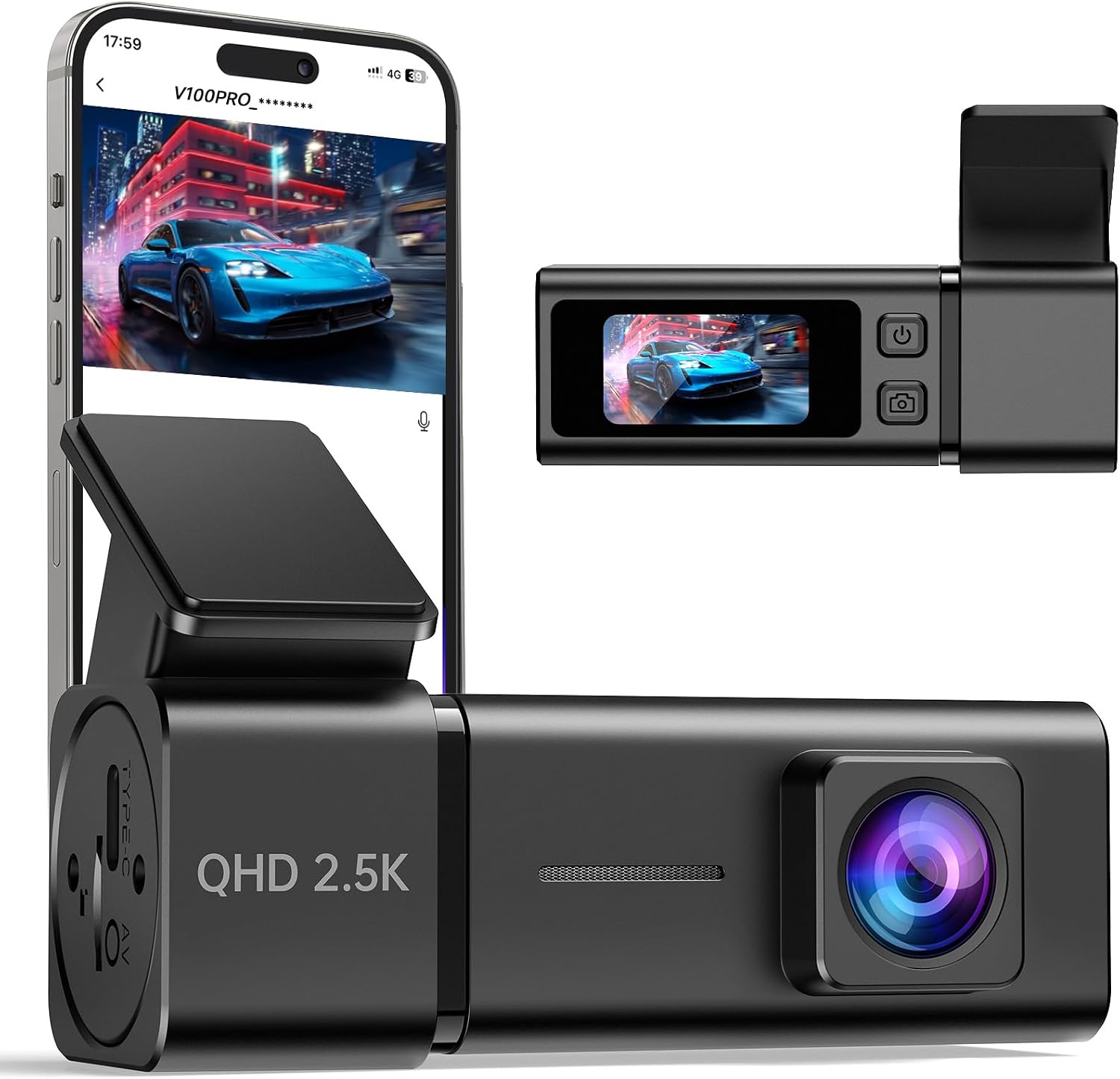
Dash Cam Front Camera for Cars, 2.5K WiFi Dash Cam, 1.47" Screen, 256GB Max
Check current Amazon price
A single-channel 2.5K front camera with WiFi, a small 1.47 inch screen for aiming and playback, and support for cards up to 256GB.
Visit on Amazon
SANDISK 256GB Ultra microSD Card + Adapter, Up to 150MB/s Read Speeds
A 256GB microSD card with an SD adapter and read speeds quoted up to 150MB/s, sized for cameras that accept large-capacity cards.
Visit on Amazon
SUNEAST 64GB(1Pack) Micro SDXC Memory Card with SD Adapter
A 64GB microSDXC card with an SD adapter, a sensible spare or second card to keep in the glovebox for swapping at the roadside.
Visit on AmazonPrices and availability may change. Check the retailer for current details.
How these products were compared
This guide compares channel count and coverage, sensor type and HDR support, claimed resolution against the storage each kit includes, the bundled memory card and the capacity ceiling the camera accepts, and how the mount fits a specific vehicle compared with a universal windshield. Product names, images, and retailer links are matched to the same product record so every card points to the product shown.
Two things this comparison does not claim. First, no current price is printed here, because listings move constantly; use the retailer link on each card to confirm today's price and availability. Second, the details come from manufacturer documentation and the bundled items described with each product. They are not the result of lab measurements, and a published resolution number is not the same thing as a readable license plate.
That last point deserves emphasis. A 4K label describes pixel count, not detail. Detail comes from the sensor, the bitrate the camera writes, and how the footage is compressed. When two cameras both advertise 4K, the one with the larger sensor and the higher bitrate is usually the one that reads a plate at distance.
How to choose the right dash cam
Start with coverage, because it is the hardest thing to add later. A single front camera documents what happened ahead of you. A two-channel setup adds the rear window, which is where a large share of claims originate. A three-channel setup adds the cabin, which matters if you carry passengers, drive for a rideshare platform, or want a record of who was in the car.
Then look at the sensor and HDR support. Backlit scenes are the norm at night: headlights, streetlights, and reflective plates all push a camera's exposure range. HDR, or high dynamic range, is the feature that keeps a bright plate from turning into a white smear while the rest of the frame stays dark. A STARVIS-class sensor is the other half of that equation, because it is designed for low-light capture rather than bright afternoon footage.
Storage is the third decision, and it is where most setups quietly fail. A camera that supports a 256GB card but ships with a 64GB card has two very different jobs: the bundled card gets you recording on day one, and the larger card is what you buy when you want more days of loop before anything is overwritten. If you drive for a living, the difference between a week of retained footage and a day of retained footage is the difference between having the clip and hoping someone else has it.
If you want the longer version of that argument, the high endurance card guide covers why constant recording and heat are hard on flash memory, and what to look for on the packaging.
Vehicle fit is the last piece, and it is the one people skip. A universal windshield camera hangs from a suction cup or an adhesive pad and works in almost anything. A vehicle-specific camera, like the one built for the Toyota RAV4 in this group, replaces or integrates with a trim piece so the installation looks factory. Vehicle-specific is tidier and generally costs more; universal is cheaper and moves with you when you change cars.
REDTIGER F17 4K 3CH Dash Cam
The REDTIGER F17 is the pick here because it answers the three questions that decide most dash cam purchases at once. It records three channels, so front, cabin, and rear are covered from a single kit. It uses a STARVIS 2 sensor with HDR, which is the specification that matters most for night footage. And it includes a 64GB card plus 5.8GHz WiFi, so the box contains a working setup rather than a camera that needs three more purchases.
5.8GHz WiFi is worth a note. Older 2.4GHz radios are fine for changing a setting but slow when you try to pull a multi-minute clip to your phone. A 5.8GHz radio moves that file faster, which matters at the roadside when you are standing next to an officer or exchanging information with another driver.
The trade-off is complexity. Three channels means three views to aim, more cable to route, and more storage consumed per hour of recording. If you never carry passengers and you park in a garage, you are paying for a cabin view you will not use. The other trade-off is that a bundled 64GB card fills faster when three cameras write to it at once, so plan on stepping up to a larger card if you want more than a short loop of history.
Alternatives to consider
The 4K Dash Cam Front and Rear, Full HD 3 Channel Dashcam is better suited to drivers who want a 4K front view, a rear view, and a third channel of coverage with a 128GB card included, since the larger bundled card leaves more room before old footage is overwritten.
The 4K Dash Cam for Toyota RAV4 2022-2025 (Model B/with Vent Hole) is a stronger fit when the vehicle is a 2022 to 2025 RAV4 with the vent hole trim, because it is built for that specific dashboard rather than for a generic windshield. Buyers should confirm their model year and trim before ordering, since a vehicle-specific camera only fits the vehicles it was designed for.
The Dash Cam Front Camera for Cars, 2.5K WiFi Dash Cam, the SANDISK 256GB Ultra microSD Card, and the SUNEAST 64GB Micro SDXC Memory Card cover the other three paths. The 2.5K front camera is the minimal setup: one view, a 1.47 inch screen, WiFi, and support for cards up to 256GB. The two memory cards are the upgrade and spare options, and they are the part of the system most people under-buy.
One honest caveat on those cards. Neither is marketed as a high endurance card, and high endurance is the rating that describes flash memory built for constant recording and heat. The SanDisk card is quoted at read speeds up to 150MB/s, which is a transfer specification, not an endurance specification. The SUNEAST card is a 64GB microSDXC with an SD adapter, useful as a spare or a second card to swap at a traffic stop. If your camera writes continuously every day in a hot climate, treat both as consumables and check them periodically rather than assuming they will last forever.
Day-to-day use and maintenance
Format the card in the camera, not on your computer. Cameras write in specific file structures, and a card formatted on a desktop can cause a camera to stop recording without an obvious warning. Check that the recording indicator is actually blinking before you drive away, and glance at the file list once a month to confirm the loop is still looping.
Heat is the maintenance issue that ends the most dash cam lives. A parked car in direct sun reaches temperatures that cook lithium batteries, which is why capacitor-based cameras are the better choice in hot climates. If your camera has a battery, do not leave it on the glass through a summer if you can avoid it.
Clean the glass before mounting, and clean the lens occasionally with a soft cloth. A smudged lens turns every night clip into a haze of bloomed headlights, and no sensor specification can recover detail the lens never captured. If you use parking mode, confirm the camera is wired to a power source that stays live when the ignition is off, and understand how much battery drain that adds before you rely on it for a week.
Buying checklist
- Measure the space on your windshield and around your mirror before ordering, and confirm clearance for a camera body and its cable.
- Choose the number of channels based on normal driving rather than an occasional edge case: front only, front and rear, or front, cabin, and rear.
- Confirm that the exact model includes the sensor and HDR support you want, since trim levels within one product line can differ.
- Check the maximum card capacity the camera supports, and whether a card is included in the box.
- Read the mounting and installation instructions, especially for a vehicle-specific camera.
- Verify the current retailer price, availability, and return terms before you buy.
Final recommendation
Choose the REDTIGER F17 4K 3CH Dash Cam when you want three channels of coverage, a STARVIS 2 sensor with HDR, and a bundled card in one purchase. Choose the 4K Dash Cam Front and Rear, Full HD 3 Channel Dashcam when a 4K front and rear setup with a larger included card fits your needs better. Choose the 4K Dash Cam for Toyota RAV4 2022-2025 when you drive that specific vehicle and want the installation to look factory. Choose the 2.5K WiFi Dash Cam when a single front view is all you need, and pair it with one of the memory cards above rather than whatever is loose in a drawer.