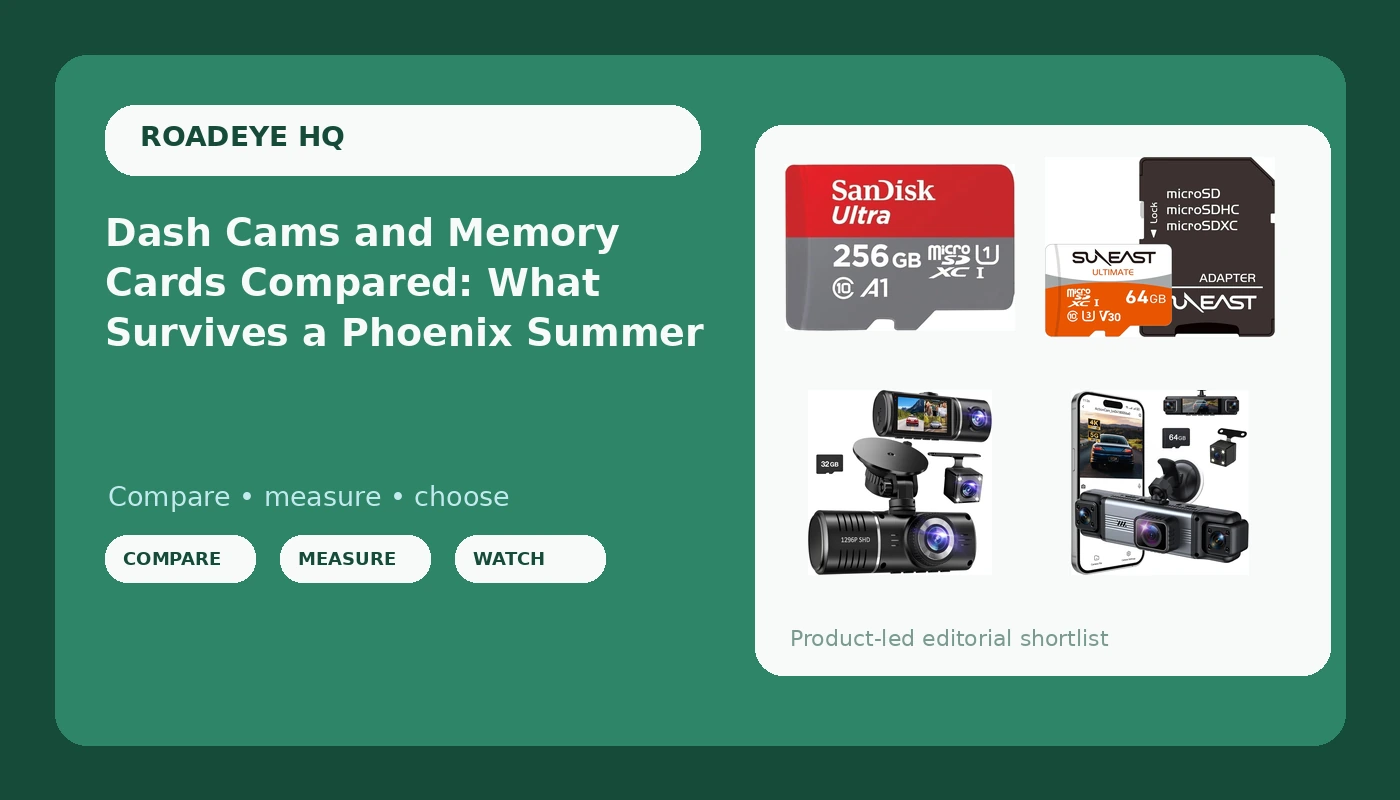
I have stood in a parking lot after a red-light crash with a police report in my hand and nothing on my windshield, and I have also watched a claim settle in nine days because a cheap camera caught the other driver's plate. That difference is why I keep writing about this. This dash cam memory card comparison puts two multi-channel cameras next to two cards, because the camera gets all the attention and the card is what actually fails when you finally need the clip. My frame of reference is Phoenix: a parked dashboard that hits 180°F, night shifts on the 101, and loop recording running every mile of a 40,000-mile year. If a piece of the system cannot survive that, the box copy does not matter.
The short version: the 4-channel 360° camera paired with the 256GB SanDisk gives you the most coverage and the most recording headroom in this group, while the 1296P three-channel camera with the SUNEAST 64GB is the budget kit that gets you front, rear, and cabin coverage on day one. Neither card in this group is advertised as a high-endurance card, and that is the one spec I would confirm before trusting either of them to loop for two years in a hot car.
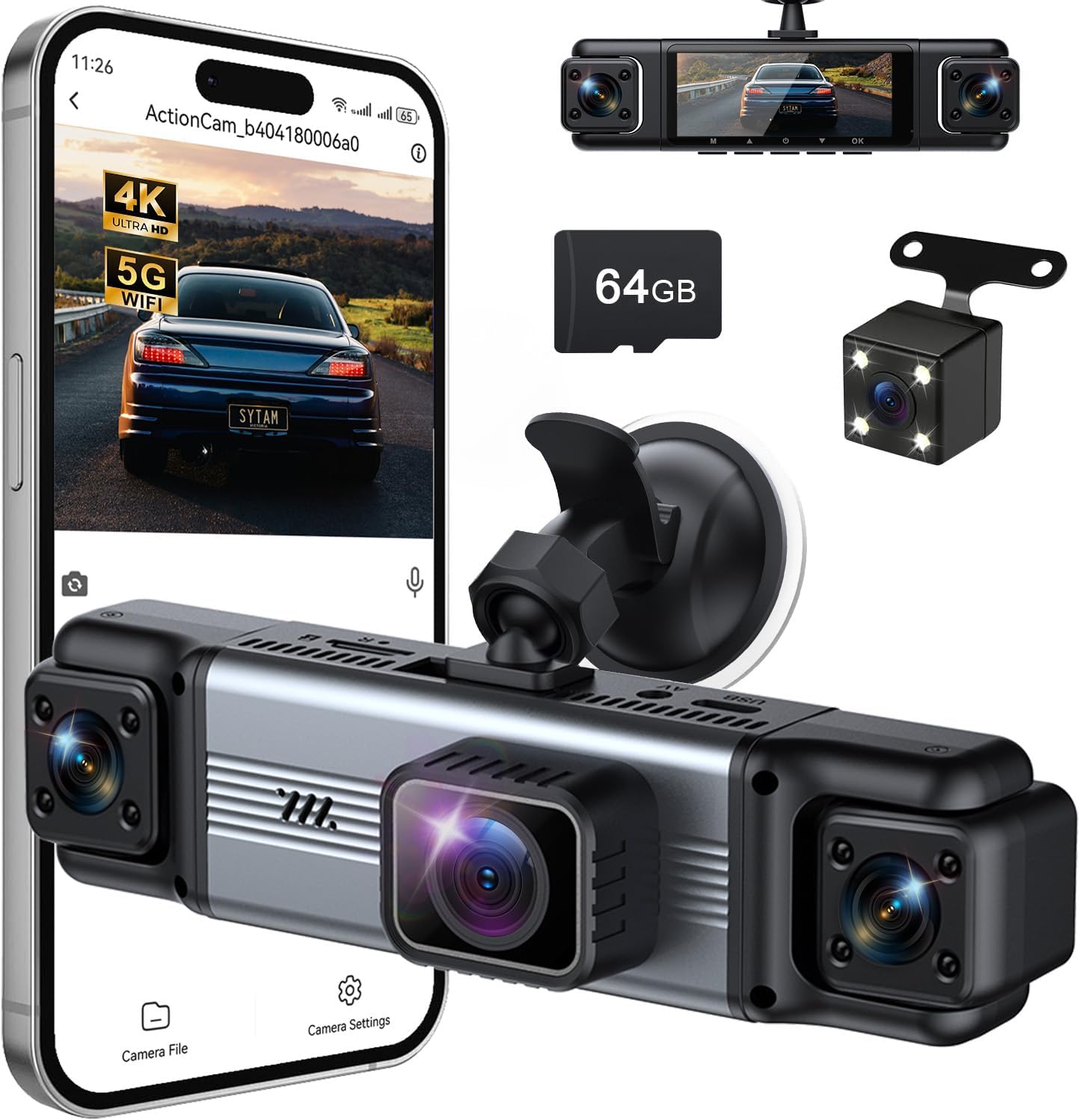
4 Channel 360° Dash Cam Front and Rear Inside, 64GB Card Included
Four channels of coverage in one box, front, rear, and cabin, with a card already in it
Four video streams split your recording budget, so it fills storage fastest and wants the biggest card
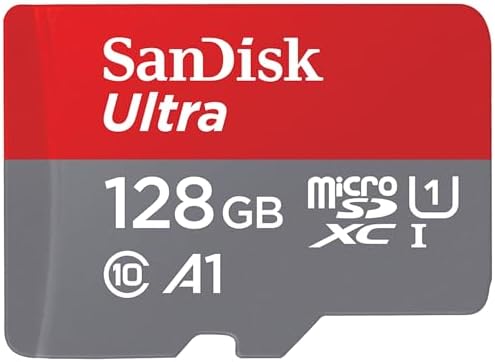
SANDISK 256GB Ultra microSD Card + Adapter, Up to 150MB/s Read Speeds
256GB is the most recording headroom here, roughly eight times the 32GB card bundled with the three-channel cam
The name carries no high-endurance rating, and read speed is not the number that keeps a loop recording alive
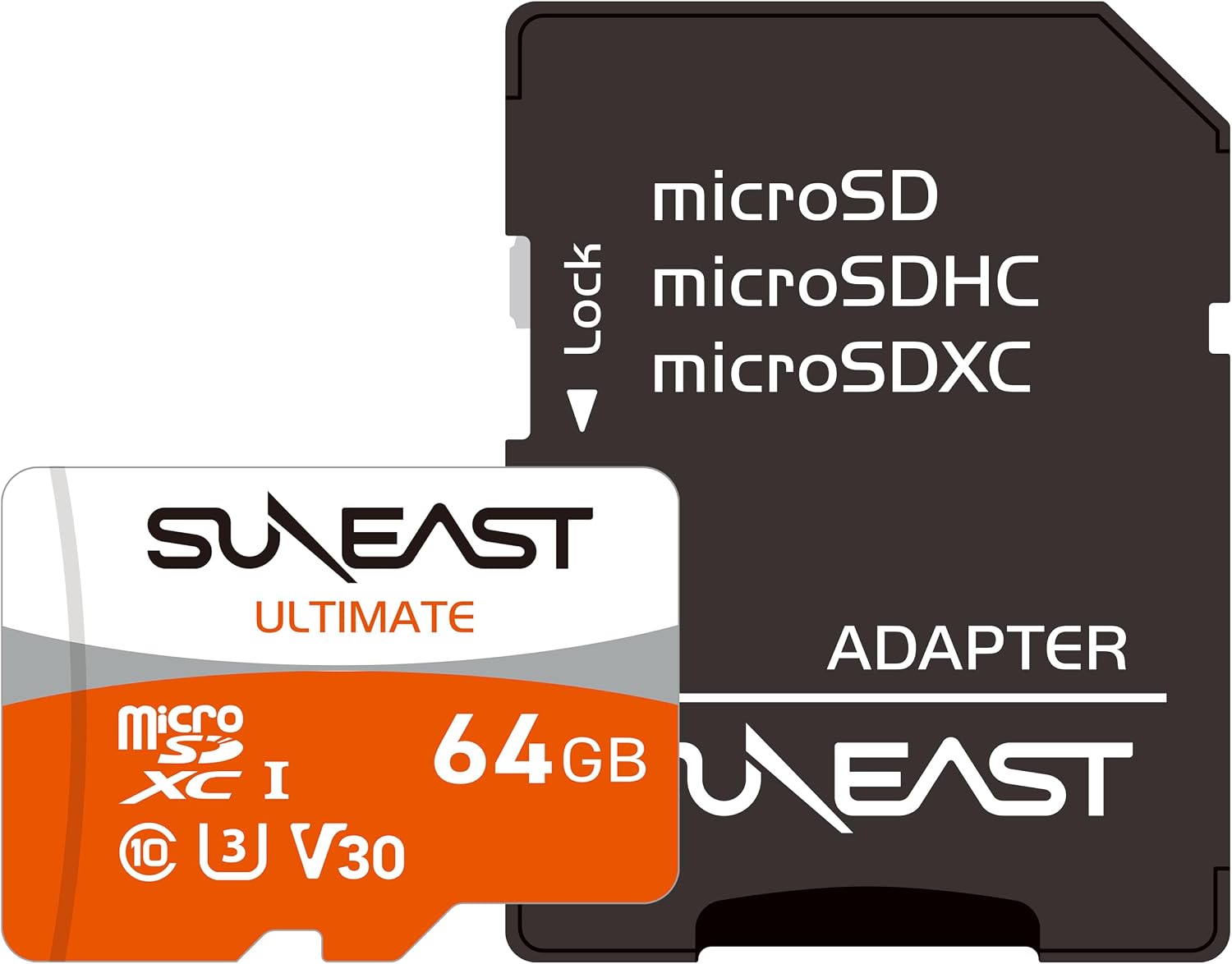
SUNEAST 64GB(1Pack) Micro SDXC Memory Card with SD Adapter
64GB matches the card the 4-channel cam ships with, and the SD adapter makes it easy to pull footage on a laptop
Smallest capacity in this group, and again no endurance rating anywhere in the name
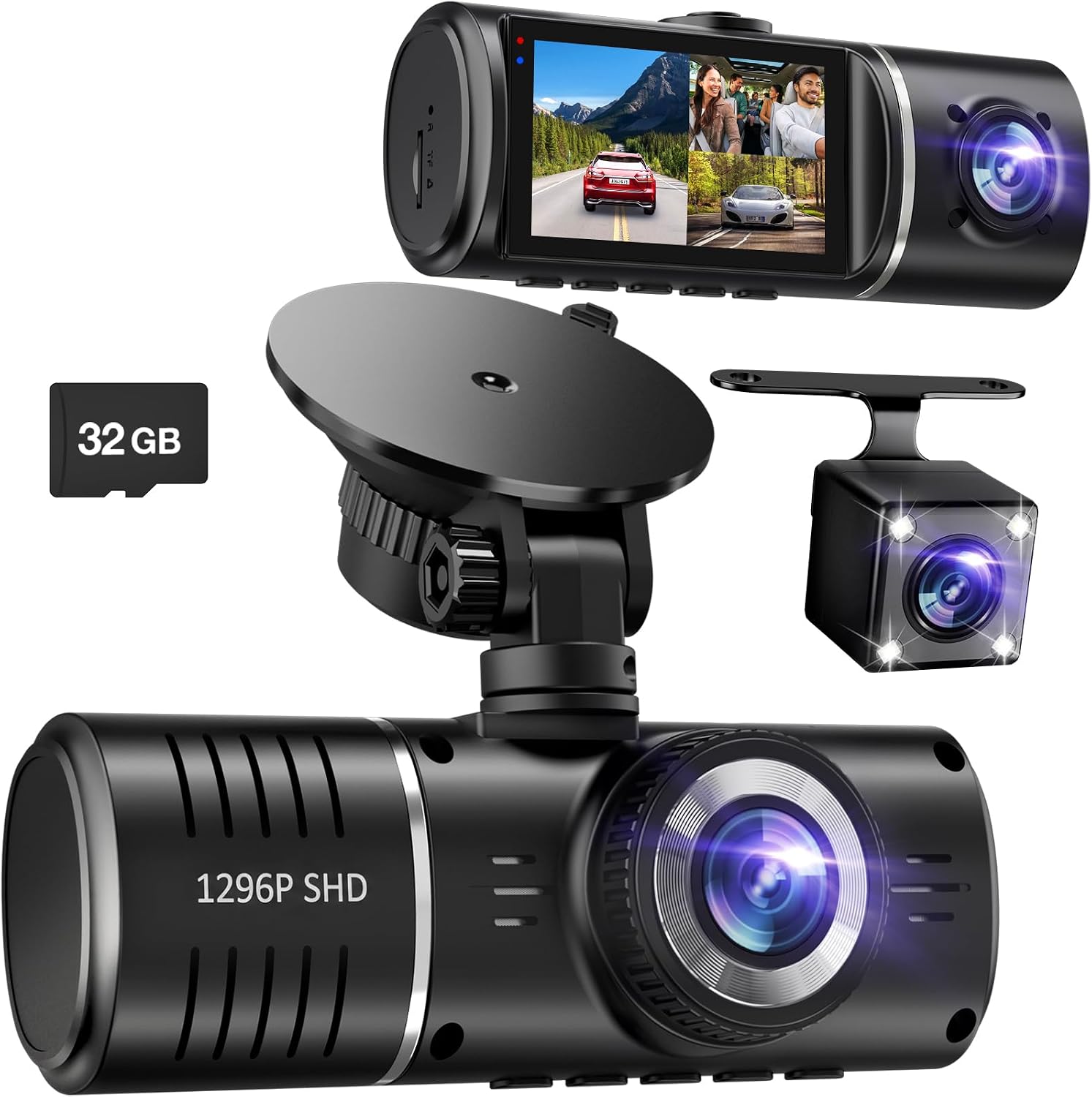
Dash Cam Front and Rear, 1296P Dash Camera for Cars, 3 Channel Car Camera Front Rear and Inside with 32GB Card, Loop Recording, Night Vision, HDR, 24Hr Parking, G-Sensor
Front, rear, and cabin channels plus night vision, HDR, parking mode, and a G-sensor at the budget end
1296P is not 4K, and the bundled 32GB card fills quickly across three channels
Prices and availability were captured from Amazon Creators API and may change.
Why the card belongs in the same conversation as the camera
Most people buy a camera and treat the card as an afterthought, which is exactly backwards. A dash cam writes continuously whenever the ignition is on, overwriting the oldest file when the card fills. That is a brutal workload compared to a phone or a game console, which write a file once and leave it alone. A card that is merely fine for a phone is being asked to do something entirely different in a windshield mount.
The failure mode is the part that should worry you. Cards do not usually announce that they are dying. They start dropping frames, or the camera quietly stops looping, or a file comes back unreadable, and you find out at the worst possible moment. That is why I treat the card as a wear item, not an accessory, and why it belongs in the same buying decision as the camera.
Both cards here are standard microSDXC cards with adapters, 256GB and 64GB respectively. Neither one is marketed as a high-endurance card, and I want to be straight about that rather than pretend otherwise. What they do offer is capacity and a known brand name on one side, and a low-cost spare on the other.
The 4-channel 360° camera: coverage you cannot add later
The 4 Channel 360° Dash Cam Front and Rear Inside is the most ambitious piece in this group. Four channels means front, rear, and cabin coverage, and the 360° framing suggests it is trying to close the side gaps that a two-channel setup leaves open. It ships with a 64GB card, which means it works out of the box.
Here is the catch with multi-channel cameras, and it is arithmetic, not opinion. Every channel you add splits the same recording budget. A camera recording one stream can give that stream a generous bitrate and still fit hours on a card. A camera recording four streams is writing four times the data, so the same card fills roughly four times faster, and the files you keep are spread across four folders instead of one.
That is why the bundled 64GB card is a starting point, not a destination. If you are running four channels and you drive for a living, you want the largest card the camera will reliably take, which is where the 256GB SanDisk enters the picture. There is also a practical argument for having a second card: when something happens, you can pull the card and keep it as evidence instead of wiping it to keep recording.
The honest downside is complexity. Four channels means four lenses to keep clean, more wiring to route, and more footage to review after an incident. If you want a witness, one good front channel does most of the work. If you want context, four channels is how you get it.
The 1296P three-channel camera: the budget route to front, rear, and cabin
The Dash Cam Front and Rear, 1296P 3 Channel model covers front, rear, and inside, and the feature list is longer than the price point suggests: loop recording, night vision, HDR, 24-hour parking mode, and a G-sensor for impact detection. It ships with a 32GB card.
Start with the resolution, because 1296P is a real number and also a marketing one. It sits above 1080p and well below 4K, and the number that decides whether a plate is readable is not the sticker on the box but the sensor behind the lens and the bitrate the camera actually writes. I have watched plenty of "high definition" clips where a plate at 20 feet is a smear of light. Resolution buys you detail only when the sensor and the bitrate can back it up.
Night vision and HDR are the two features I care about most here, because accidents do not happen at noon in perfect light. HDR helps in the brutal contrast of oncoming headlights and dark asphalt. Night vision claims range from genuinely useful to pure fiction, and the only way to judge is to look at real footage at 40 mph, not a still frame shot in a parking lot.
The 24-hour parking claim deserves a hard look. Parking mode depends on the camera staying powered while the ignition is off, which means it has to be hardwired to the fuse box, not plugged into a cigarette lighter that dies with the ignition. If you are not going to wire it properly, treat the parking mode spec as decoration. And if you do hardwire it, watch your battery, because a camera that records all night in a Phoenix driveway is drawing from the same battery that has to start the car in the morning.
The G-sensor is the quiet hero of the whole feature list. It locks the clip when it feels an impact, which is the difference between a file that survives the crash and a file that gets overwritten twenty minutes later.
The two cards: capacity versus the number nobody checks
The SANDISK 256GB Ultra microSD Card is the capacity play. It is rated up to 150MB/s read speeds, and the adapter lets you pull footage on a laptop without hunting for a reader. The important caveat: read speed is not write speed. A dash cam needs sustained write performance, and the read number on the front of the package tells you almost nothing about how the card behaves under a continuous loop recording load. Capacity is the real selling point here, and it is a good one. 256GB is roughly eight times the 32GB card bundled with the three-channel camera, which translates directly into more days of retained footage before the oldest file gets overwritten.
The SUNEAST 64GB Micro SDXC card is the practical spare. It matches the capacity of the card that ships with the 4-channel camera, it comes with an SD adapter, and its role in a kit is obvious: keep one in the camera, keep one formatted and ready in the glovebox. When something happens, you swap cards and preserve the original instead of choosing between evidence and continuing to record.
Neither card claims a high-endurance rating, and that matters more than capacity in a hot climate. High endurance is the rating that tells you a card was built for constant rewriting and elevated temperatures. Without it, you are relying on the brand and the capacity to carry you, and you should plan to replace the card on a schedule rather than wait for it to fail.
Heat, parking mode, and the part nobody tests
Phoenix is the reason I test the way I do. A car sitting in a summer parking lot turns into an oven, and the windshield area gets worse than the cabin. Heat is what kills dash cams and cards, not crashes. Lithium batteries swell in that environment, capacitors do not, and cards that run near their thermal limit during a normal commute are being asked to do that same work at a temperature they were never designed to enjoy.
Now stack parking mode on top of it. A camera triggered by motion or impact keeps writing while the car bakes, which means the card is doing sustained work in the worst possible conditions with no airflow and no driver around to notice a problem. That is the scenario where cheap media quietly gives up.
So the question I would ask about any of these four products is not what they do in October. It is what they do in July, on a dashboard, after three months of daily loop recording.
How I would build the kit, and where each piece loses
If coverage is the priority, the 4-channel 360° camera is the anchor, and it wants the 256GB SanDisk behind it. Four streams and a long commute are a bad match for a 64GB card. Add the SUNEAST 64GB as the spare you keep formatted, and you have a kit that can hand footage to an adjuster the same day without wiping anything.
If budget is the priority, the 1296P three-channel camera plus the SUNEAST 64GB doubles the bundled storage for very little, and you still get front, rear, and cabin coverage with night vision, HDR, and a G-sensor. The trade-offs are resolution, and the fact that a 64GB card still fills quickly across three channels.
Where each piece loses, plainly: the 4-channel camera is the most demanding on storage and the most work to install. The 1296P camera is not 4K and its bundled 32GB card is the weakest link in the box. The 256GB SanDisk is a capacity card, not an endurance card. The SUNEAST 64GB is small and, again, not endurance rated.
What I would verify before spending
Check whether the card is rated high endurance, because that is the single most important line in this entire article and the one most people skip. Check the camera's power source and whether it uses a capacitor rather than a lithium battery, since that decides whether it survives a hot climate. Check the actual write behavior, not the read speed printed on the package. And if you want parking mode, price out a hardwire kit and a battery drain test before you believe the 24-hour claim.
A dash cam is an insurance witness, not a gadget. Build the system around that idea, spend the money on the card as well as the camera, and the footage will be there when the one bad afternoon arrives.