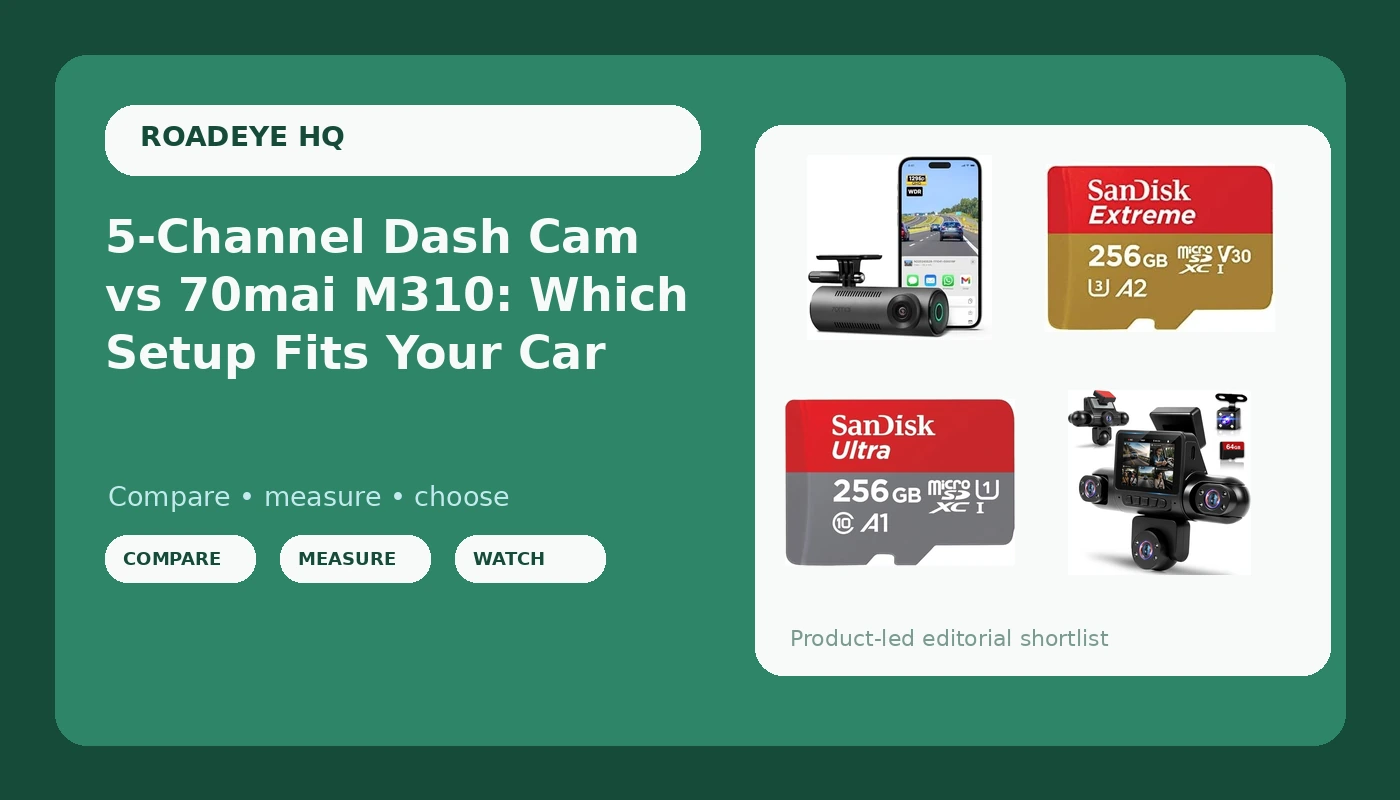
I have stood in a Phoenix parking lot at 11 p.m. with a cracked bumper and no footage. That was the first rear-ending, the one that became a three month he said she said fight that raised my premium anyway. The second one, with a cheap camera on the windshield, settled in nine days. That difference is the entire reason this site exists, and it is why this dash cam microSD card comparison is not organized around megapixels.
When drivers ask me what to buy, they ask about the camera. I answer with the card. The camera decides what gets recorded. The card decides whether that recording still exists when you need it. A clean 1296P clip that corrupted at minute nine of a ten minute loop is worth nothing to an adjuster, and a camera that shut down at 128°F on a dashboard is worth nothing either. Two of the four products below are cameras and two are cards, and the pairing matters more than any individual pick.
The short answer: for the simplest system that actually works, pair the 70mai M310 with the SanDisk Extreme card. If you need to prove what happened on all four sides of the car, the 360 degree 5 channel unit is the only thing here that can do it, and it needs the Extreme card even more than the single-channel camera does.
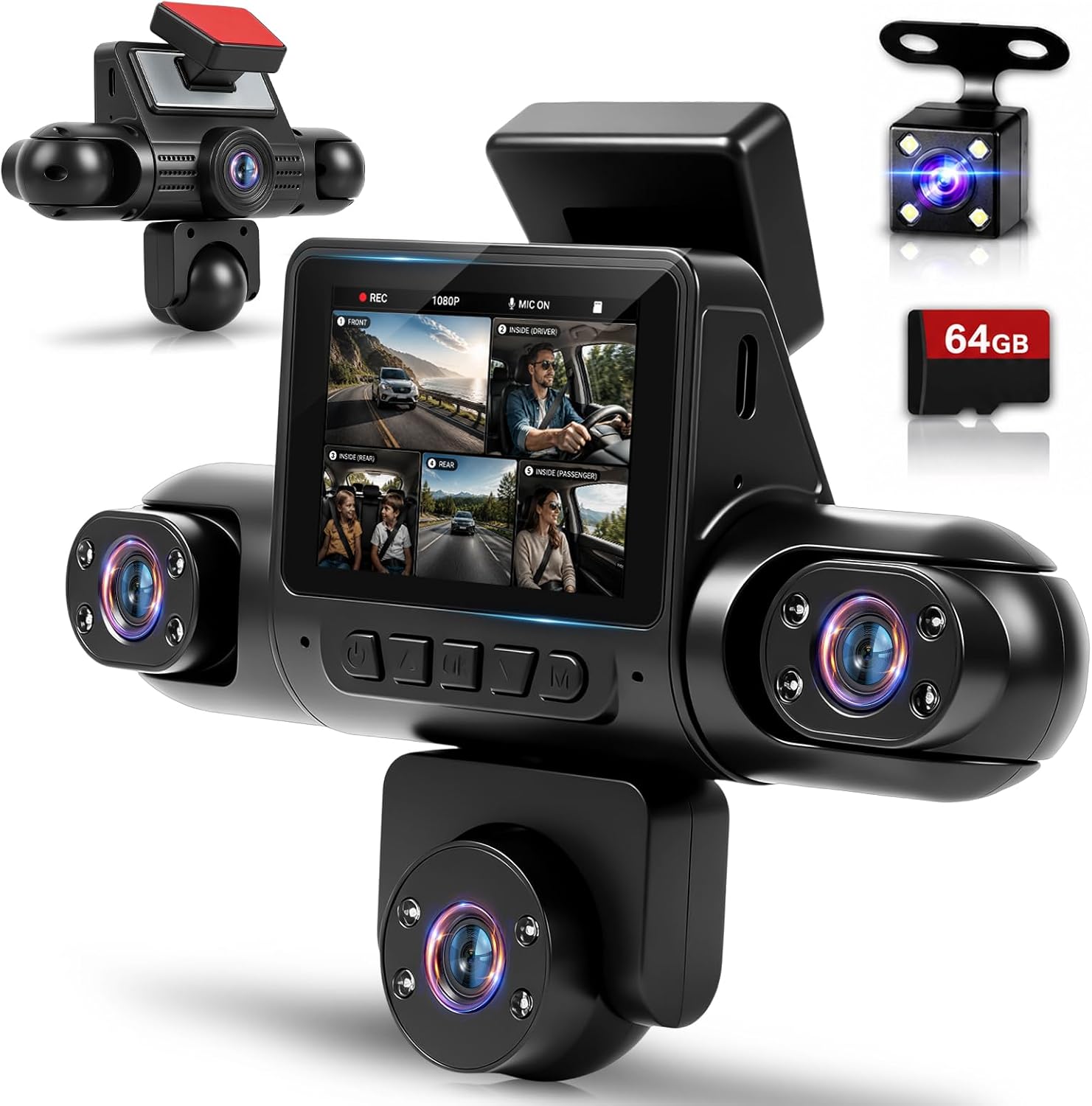
360° 5 Channel Dash Cam Front and Rear Left Right Inside Camera for Cars
Five angles in one unit, front, rear, both sides, and the cabin. It is the only camera here that can answer "who came from where" after a multi-car hit, and the inside view is the one that protects a rideshare driver
Five channels means five mounting decisions, a lot of cable routing, and far more data written to the card every minute. This is a weekend install, not a fifteen minute one
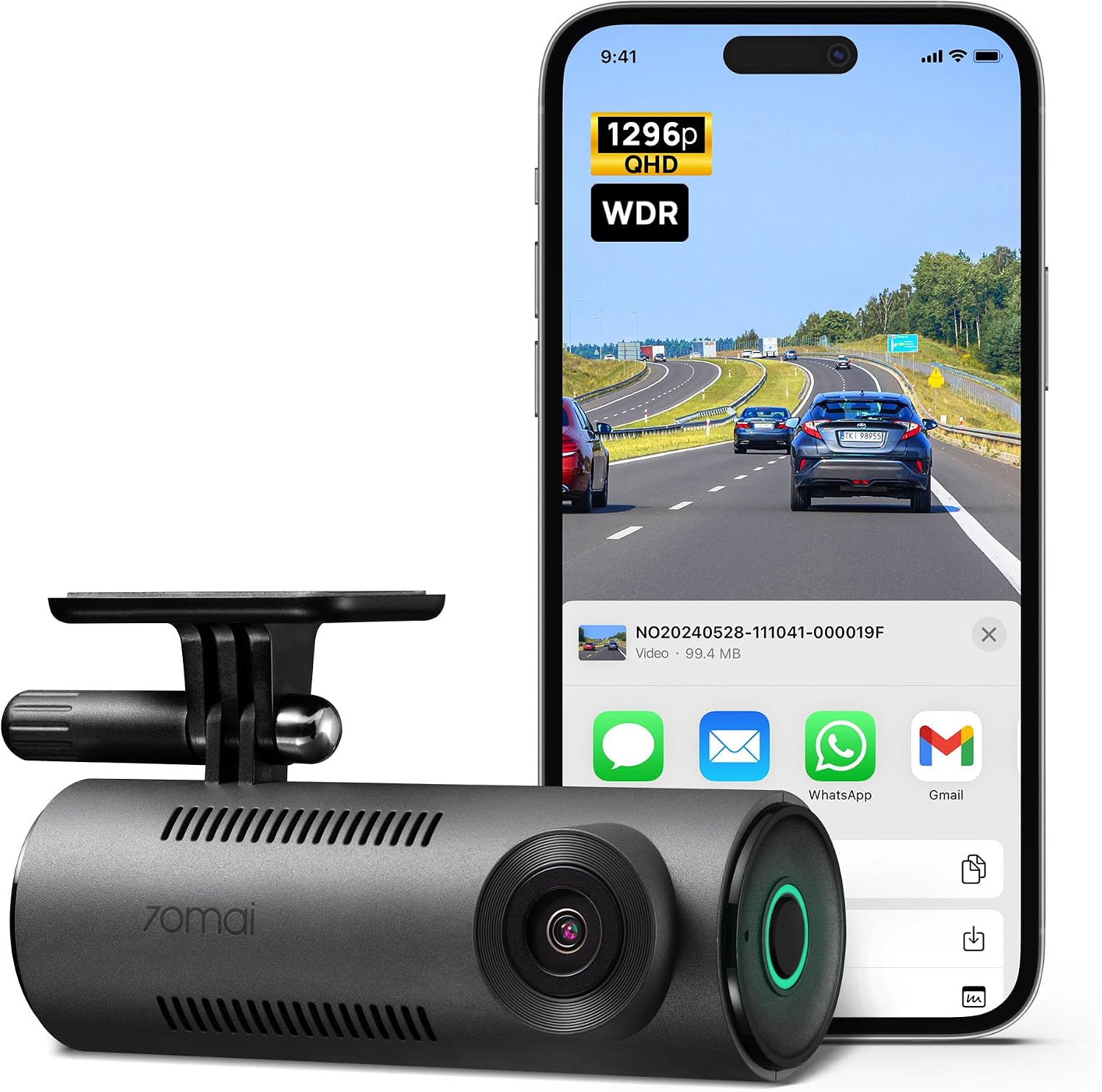
70mai Dash Cam M310, Dash Camera for Cars 1296P QHD, Smart Dash Cam Front Built in WiFi, 130° Wide-Angle FOV, WDR, Night Vision, iOS/Android Mobile App, Loop Recording, Parking Monitor, Time-Lapse
1296P QHD, 130 degree field of view, WDR for hard contrast, built in WiFi and a phone app, loop recording, parking monitor and time-lapse. It is a front camera that does the job without a wiring project
Front only. A rear-end claim depends on someone else having a camera, and there is no side coverage at all
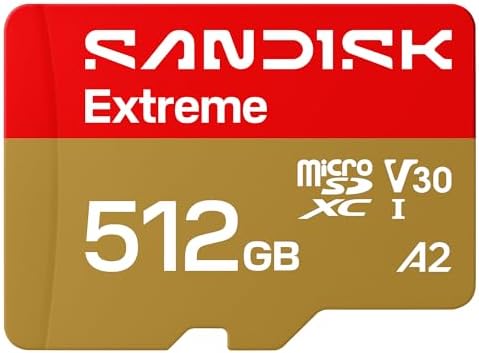
SANDISK 256GB Extreme microSD Card + Adapter, Up to 190MB/s Read Speeds
The faster of the two SanDisk cards at up to 190MB/s read, and 256GB is a lot of loop recording headroom before the card starts overwriting today's footage
Costs more than the Ultra, and a single-channel 1080p camera will not use the extra read speed for anything
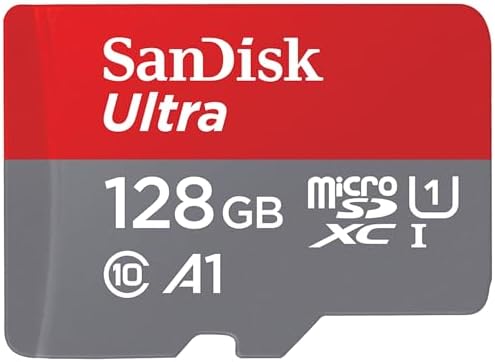
SANDISK 256GB Ultra microSD Card + Adapter, Up to 150MB/s Read Speeds
Up to 150MB/s read, 256GB of capacity, and it is the cheaper way into the same capacity class
Ultra is the everyday card tier. In a camera that writes every single day, in a hot car, saving a few dollars on the card is the wrong economy
Prices and availability were captured from Amazon Creators API and may change.
What this comparison is actually deciding
Most dash cam buyers make the same mistake in the same order. They pick a camera, then grab whatever memory card is on the shelf, then figure out the mount and the wiring on a Saturday afternoon. By the time they are done, the cheapest part of the system is also the part most likely to fail first, and it fails silently. You do not get a warning that your card is done. You get a camera that appears to be recording, a card that is writing garbage, and a clip that plays for four seconds before it freezes.
So the real decision has two halves. Half one is coverage: how many directions does your car need to be watched from, and how much wiring are you willing to live with. Half two is storage: how much data is that camera pushing, and does the card you bought keep up with it for two or three Phoenix summers.
The four products here sit at the two extremes of both halves. That is deliberate. Once you know which end of each spectrum you belong on, the choice mostly makes itself.
The 360 degree 5 channel camera: four sides of the story
Front and rear cameras are the standard advice, and they are still the right starting point for most people. But there is a category of incident that front and rear coverage handles badly: anything that happens beside your car. A lane-change sideswipe where the other driver claims you drifted into them. A parking lot hit where the damage is on a door and nobody left a note. A cyclist or a motorcycle in your blind spot at an intersection.
The 360° 5 Channel Dash Cam Front and Rear Left Right Inside Camera for Cars covers front, rear, both sides, and the cabin in a single unit. If you have ever watched a claim turn on which of two lanes a car occupied, you understand why the side cameras are not a gimmick. They are the only reason to buy this camera over a cheaper two-channel setup.
The cabin camera is the piece rideshare drivers underrate. When you are carrying passengers all night, the inside view is the one that settles a dispute about what was said or what happened in the back seat. I spent six years driving rideshare in Phoenix and the camera that saved me the most grief was never the one pointed at the road.
The cost of that coverage is installation. Five channels means five lenses to place, five runs of cable to hide, and a card that is being written to from five sources at once. If you are not comfortable pulling trim panels, budget for an installer, and budget for the parking mode wiring too. A camera this capable running off a cigarette lighter is a camera that stops recording the moment the ignition does, which is exactly when parking lot damage happens.
The 70mai M310: one camera, done right
The 70mai Dash Cam M310 is the opposite philosophy, and for a lot of drivers it is the correct one. One lens, 1296P QHD, a 130 degree field of view, WDR to hold detail in the bright-to-shadow transitions that ruin cheap footage, built in WiFi with an iOS and Android app, loop recording, parking monitor, and time-lapse mode.
Look at that feature list again and notice what is missing. There is no rear channel, no side channel, no cloud subscription, no separate display to mount. That is the point. This is a camera you can install in a driveway in fifteen minutes with a suction cup or an adhesive pad, point at the road, and forget about until you need it. For a daily commuter, a first-time dash cam buyer, or anyone who has watched a friend fight with a five-channel install and give up halfway, that simplicity is a feature and not a compromise.
The honest limitation is coverage. The M310 sees what you see. If someone rear-ends you, you will be relying on their insurance, their honesty, or a witness. In my experience that is usually fine, because rear-end liability is rarely contested when the damage pattern matches the story. It is the sideswipe and the parking lot that get ugly, and this camera cannot help you there.
The other thing to plan for is the card. A single 1296P channel is a much lighter write load than five channels, but it is still writing every day, in a car, in the sun. The card advice below applies here just as much as it does to the five-channel unit.
SanDisk Extreme vs SanDisk Ultra: the card is not an accessory
This is the part of the system people spend the least on and regret the most.
Both cards here are 256GB SanDisk microSD cards with an adapter. The difference is the tier. The SanDisk Extreme is rated at up to 190MB/s read. The SanDisk Ultra is rated at up to 150MB/s read. Those are read speeds, and read speed is what you feel when you pull a clip off the card and scrub through it on a laptop, looking for the two seconds where the other car crossed the line.
Why does the tier matter more than the number? Because dash cams do something almost no other device does. They write continuously, in a loop, for hours at a time, in a vehicle that sits in the sun, and then they overwrite the oldest footage and keep going. A card that is happy storing photos on a phone is being asked to do something much harder in a dash cam.
My rule is simple. The card is the cheapest component in the system and the only one that can destroy the whole system's value without any visible warning. If you are going to spend money anywhere in this build, spend it on the card. The SanDisk Extreme is the one I would put in a five-channel camera without hesitating, and it is also the one I would put in the M310, because the difference in cost between the two cards is small next to the cost of losing a clip.
The SanDisk Ultra is not a bad card. At 256GB and up to 150MB/s read, it is a sensible choice for a camera that records occasionally, for a car that lives in a garage, or for a second vehicle that only sees weekend use. What I would not do is put the Ultra in a five-channel camera that runs parking mode in a Phoenix summer and expect it to last. That is not a knock on the card. It is a mismatch between the job and the tool.
Heat is the real spec sheet
Nobody advertises this, so I will say it plainly. Heat kills more dash cams than crashes do. A parked car in Arizona in July will hit temperatures on the dashboard that no consumer electronics company designs for, and the failure modes are quiet. A lithium battery swells. A capacitor lets go. A memory card starts throwing write errors that the camera does not report.
Two things follow from that. First, when you are comparing cameras, ask what powers the thing. If it packs a lithium battery and you live somewhere with real summers, that is a countdown timer, not a feature. Second, treat your memory card as a wear item. Cards do not last forever under continuous recording. When a camera starts behaving strangely, the card is the first thing to swap and the last thing people suspect.
You cannot test a card in a store. You can only give yourself margin. A 256GB card gives you more margin than a 64GB card because it overwrites less often, and a faster card tier gives you more margin because it is not running at its limit every minute of every drive. That is the entire argument for the Extreme over the Ultra in a camera that runs all day.
What each pick costs you in trade-offs
Every one of these four products is a trade, and it is worth naming them out loud.
The 360° 5 Channel Dash Cam Front and Rear Left Right Inside Camera for Cars buys you total coverage and charges you in installation time, cable management, and card bandwidth. If you will not do the wiring properly, do not buy this camera. A five-channel unit installed halfway is worse than a single-channel unit installed well.
The 70mai M310 buys you a fast, clean install and a genuinely usable feature set for a front camera, and it charges you in blind spots. Sideswipes, parking lot damage, and rear-end disputes all land on the wrong side of that trade.
The SanDisk Extreme 256GB buys you speed and headroom and charges you a little more up front. The SanDisk Ultra 256GB buys you the same capacity for less and charges you in margin, which is a fine trade in a cool climate and a bad one in a hot state.
There is no configuration here that covers everything for nothing. The question is which failure you can live with.
How I would build the system
If you drive for a living, if you carry passengers, or if you park on a street where door dings and hit-and-runs are routine, build the five-channel system and put the SanDisk Extreme card in it. Do the hardwire install, do the parking mode wiring properly, and accept that you are spending a Saturday on it. The footage you get from four sides plus the cabin is the footage that ends arguments.
If you commute, if you have never owned a dash cam, or if you want something running by this afternoon, buy the 70mai M310. Mount it, format a card in the camera before the first drive, and leave it alone. Add a rear camera later if you start seeing close calls from behind.
If you already own a camera and you are only here for the storage question, buy the SanDisk Extreme 256GB. It is the least exciting purchase in this article and the one most likely to save you.
The bottom line
The camera is what you talk about. The card is what you depend on. Get the coverage that matches how you actually drive, then spend the extra few dollars on the storage tier that can keep up with it, and check the card itself once a month by pulling a recent clip and confirming it plays end to end.
That habit is free, and it is the difference between a camera that works and a camera you believe works.