I have stood in a parking lot with a police report and no footage, and I have also watched a claim settle in nine days because a camera caught the other driver's plate. That gap is the whole reason I keep writing about this stuff. When drivers ask me what to buy, the honest answer is that a dash cam is not one product. It is a camera, a card that survives constant writing, and a mount that stays glued to glass when the cabin turns into an oven. This dash cam and memory card comparison covers four parts that solve four different problems: a four-channel 360-degree system, a compact Garmin, a 256GB high endurance card, and a pack of heat-resistant adhesive pads.
Related: Dash Cam Heat Survival: What Actually Kills Cameras In Phoenix
The best dash cam setup for most drivers is a camera with real coverage plus a high endurance card, because the card and the mount fail more often than the camera does. That is the short version. The long version is about what each part is actually responsible for, and which one you should upgrade first.
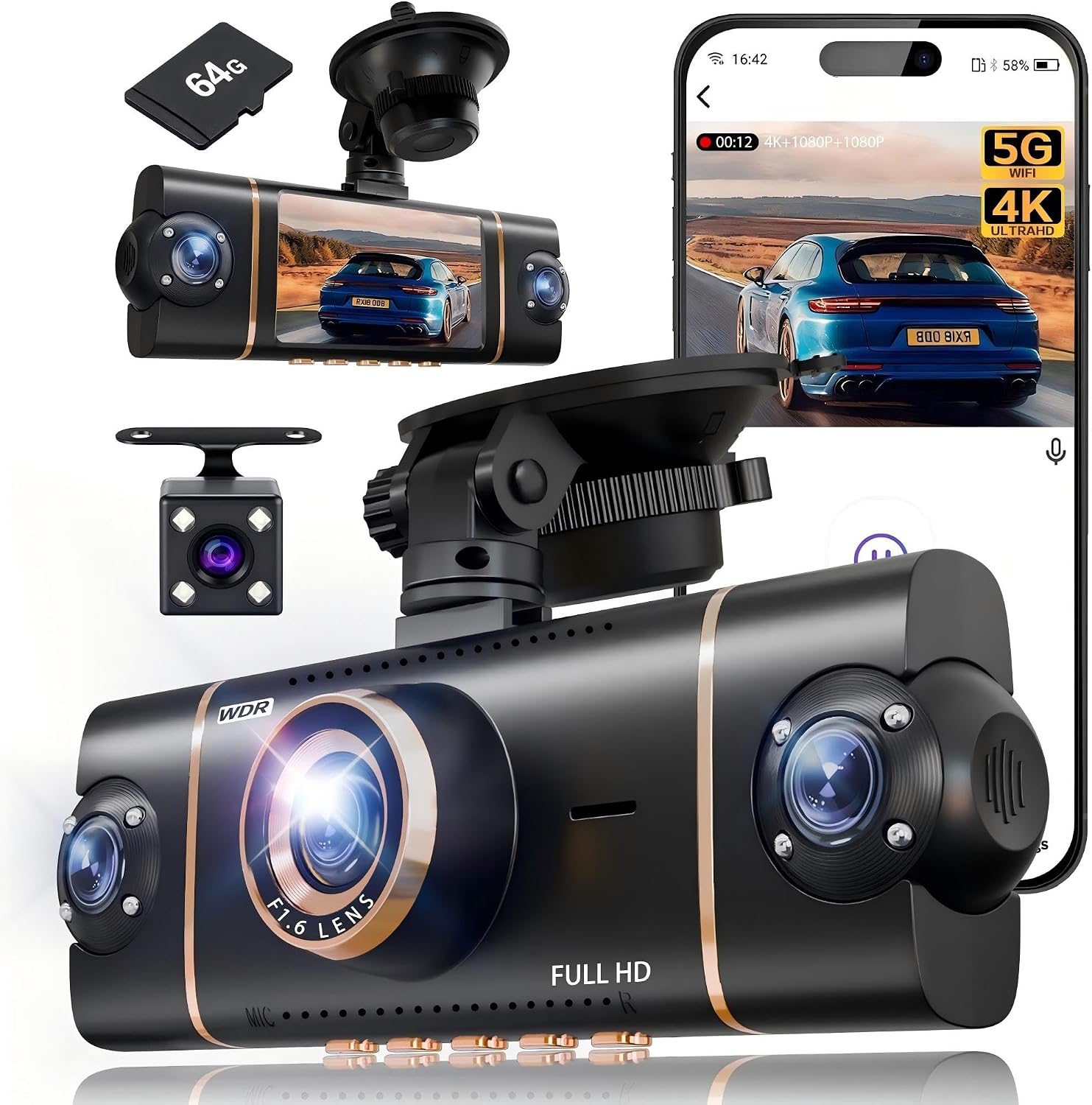
4 Channel 360° Dash Cam Front and Rear, 4K+1080P*3 FHD Car Camera
Documents front, rear, and both sides, which is the only way to settle a side-impact argument
Four channels mean four cable runs, more heat, and heavier card usage
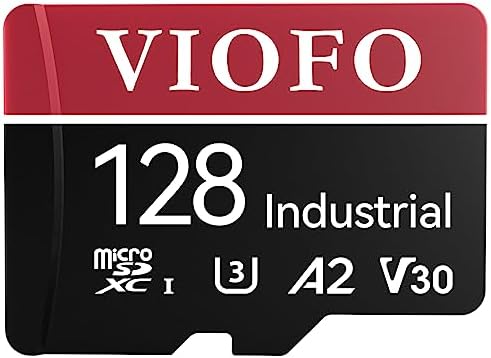
VIOFO 256GB Industrial Grade High Endurance microSDXC Card for Dash Cam
Built for constant loop recording and the temperature swings of a parked car
It cannot rescue a weak sensor or a mount that lets go
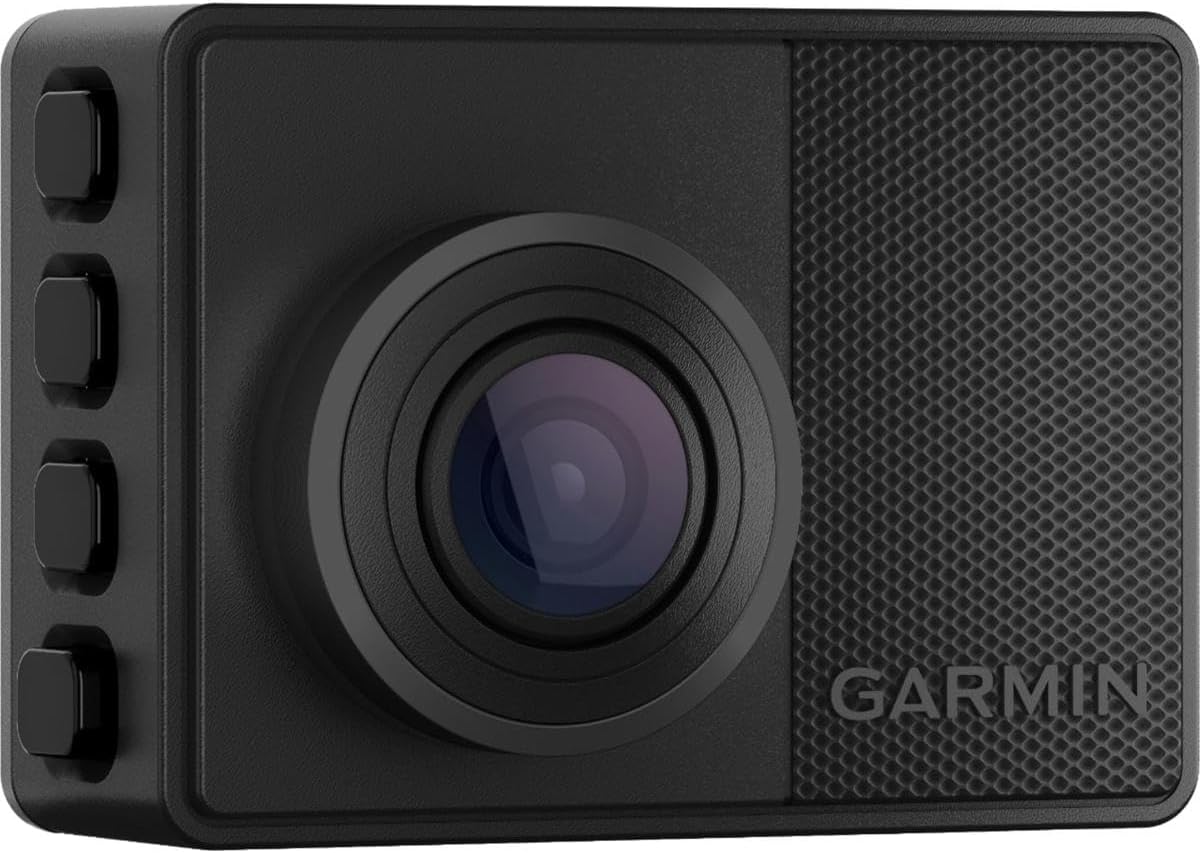
Garmin Dash Cam 67W, 1440p and Extra-Wide 180-degree FOV, Monitor Your Vehicle While Away w/New Connected Features, Voice Control, Compact and Discreet, Includes Memory Card - 010-02505-05
1440p, a 180-degree view, voice control, and a footprint that disappears on the glass
Single channel only, so there is no rear view without a second camera
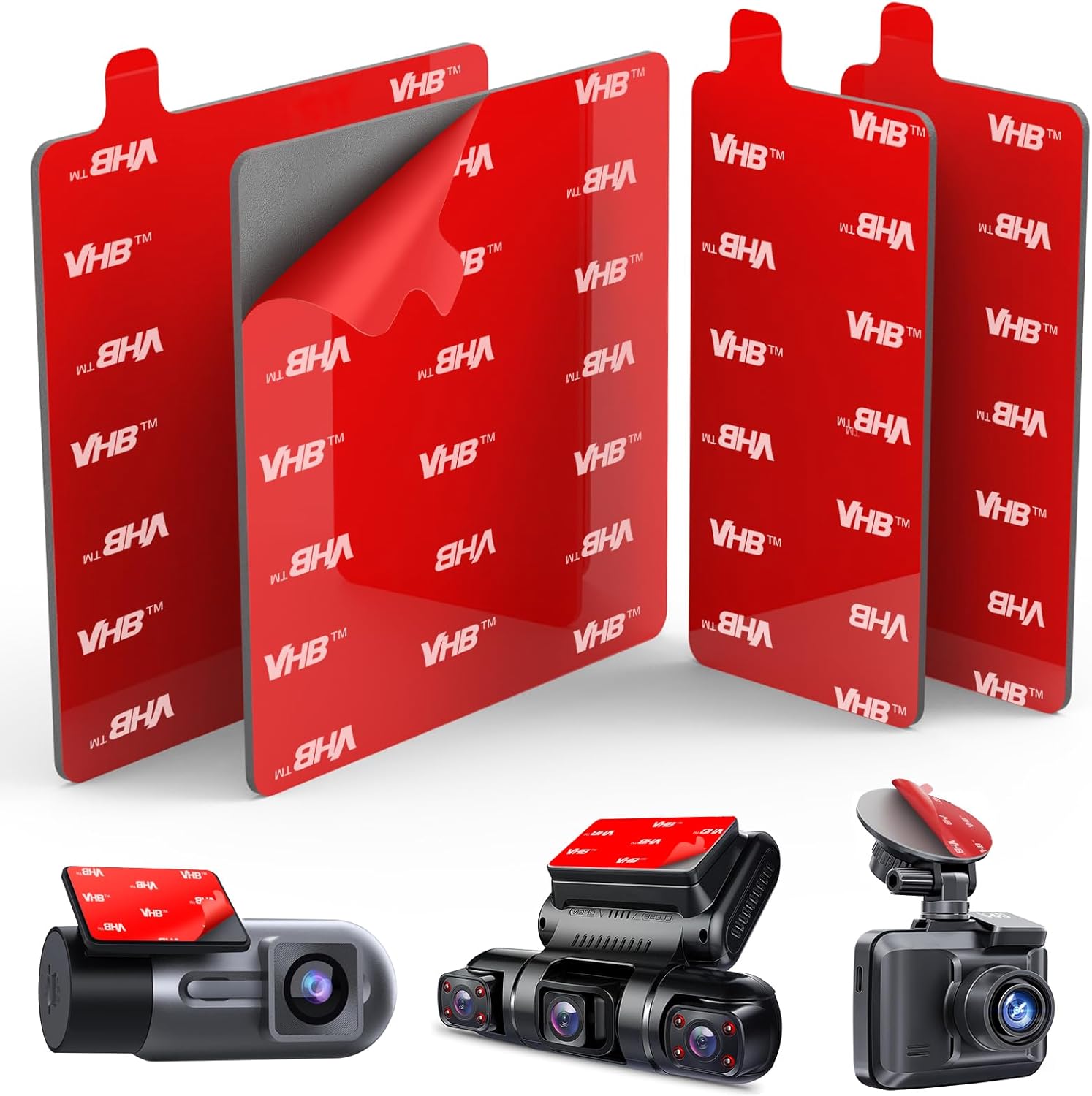
4Pcs Adhesive Sticky Pads for Dash Cam, Square High Heat Resistant Double-Sided Sticker Replacement Fit for Windshield Dashcam Mount, 2.83" Car Windscreen Window Glass Mounting Tape Heavy Duty
Cheap, heat resistant replacement for the adhesive that fails first
Only as good as your surface prep, and it will not fix a badly designed mount
Prices and availability were captured from Amazon Creators API and may change.
How I think about a dash cam system
A dash cam is an insurance witness. Everything else is decoration, and that framing changes which parts you spend money on. The camera captures the image, but the card decides whether that image still exists a week later, and the mount decides whether the camera was pointed at the windshield at the moment it mattered. I have seen drivers spend two hundred dollars on a camera and then pull a decade-old phone card out of a drawer to record onto it, and I have seen a perfectly good camera sitting in a cupholder because the adhesive let go in July.
So when I look at a group of parts like this, I am not ranking them against each other in the usual sense. A camera, a memory card, and a pack of mounting pads do not compete. They are the three links in a chain, and the chain is only as strong as the weakest one. What I am actually ranking is how much each part contributes to the only question that matters: when something happens, will there be a clip, and will that clip prove what happened?
The four-channel 360-degree camera: maximum coverage, maximum install work
The 4 Channel 360° Dash Cam Front and Rear runs a 4K front view plus three 1080p channels, which is the closest thing to a full picture of the space around your car. Front, rear, and both sides means a lane-change dispute, a parking lot hit-and-run, or a sideswipe has a camera pointed at it instead of a blind spot. That coverage is real, and it is why rideshare drivers ask about these systems before anything else. If your job depends on proving what happened, four angles beat one good angle.
The cost is not only money. Four channels means four lenses, four cable runs, and a routing job that eats an afternoon if you want it to look like it came from the factory. It also means more heat load behind the glass and more data written to the card every single minute, which is exactly why the memory card in a system like this matters so much more than it does on a single-camera setup. Four channels also raise the install stakes: a poorly routed cable is a cable that gets pinched in a door seal, and a pinched cable is a channel that stops recording without telling you. If you are not willing to hide cables behind trim and test parking mode for battery drain, a system this ambitious will frustrate you more than it protects you.
The Garmin Dash Cam 67W: the small witness
The Garmin Dash Cam 67W records at 1440p with an extra-wide 180-degree field of view, which is wider than the 140-degree sweet spot I usually argue for. Wider glass means you catch more of the lane next to you, and Garmin pairs it with voice control and connected features that let you monitor the vehicle while you are away from it. It is compact and discreet, and that matters in a rideshare car where passengers notice hardware on the windshield and sometimes comment on it. A camera nobody notices is a camera nobody unplugs.
The trade-off is coverage. This is a single-channel camera, so there is no rear view. A rear-end hit means you are back to relying on the other driver's version of events, which is precisely the situation that cost me three months of my life and a premium increase years ago. It also ships with a memory card in the box, which is convenient for day one and rarely the card you want for the long haul, because bundled cards are generally not rated for the constant write cycles a dash cam demands. For a driver who wants one clean camera on the glass, no wiring project, and a small footprint, this is the simplest serious option in this group.
The VIOFO 256GB high endurance card: the part that decides whether the footage exists
The VIOFO 256GB Industrial Grade High Endurance microSDXC Card is the least exciting product here and probably the most important. Dash cams write continuously, loop after loop, in a hot cabin, and that is the exact workload that kills ordinary cards. High endurance is not a marketing adjective. It is a rating for sustained writes, and an industrial grade card is built for the temperature swings a parked car sees every day of the year.
Capacity matters for a different reason than reliability. A four-channel system at high resolution eats storage fast, and 256GB buys you more days of retention before the oldest clip is overwritten. That matters when you notice a new scratch on the door two days later and need the footage from the afternoon it happened. Retention is the quiet feature nobody shops for, and it is the one that decides whether the clip still exists when you finally go looking for it.
Here is the failure mode I want you to avoid: a great camera paired with a dying card gives you a folder of corrupted files, and you will not find out until you need it. Cards do not fail loudly. They fail as a missing file or a clip that plays for three seconds and freezes. Buying the endurance-rated card up front is the cheapest way to protect everything else in the system, and it is the upgrade I would make before I made any other.
The adhesive sticky pads: the failure nobody plans for
Almost every dash cam complaint I hear from drivers starts the same way: it was on the windshield last month. Suction cups let go in heat, and factory adhesive fails on a cold or dusty surface, and then the camera is on the floor mat or under the seat with a dead battery and no recent clips. This four-pack of square double-sided pads is described as high heat resistant and sized for windshield mounts, which makes it the cheapest insurance policy for the whole setup.
Prep is the entire job. Clean the glass with alcohol, let it dry completely, press the pad on firmly for a full minute, and then wait before you hang the camera, because the bond builds over the first hours. Do not reuse a pad after you have pulled it off, and do not expect a pad to rescue a mount that was badly designed in the first place. A pack of pads is the difference between a camera that is always there and a camera that is somewhere in the footwell when you need it most.
How these four parts fit together
If you want the maximum evidence per dollar, build the system around the four-channel camera and pair it with the endurance card, because that combination captures four angles and keeps them long enough to be useful. Add the pads as a spare so a mount failure costs you ten minutes instead of a week of recording.
If you want the least drama, the Garmin 67W plus the endurance card plus a pad or two is the build for you. You give up the rear view, and you accept that a rear-end claim will lean on the other driver's honesty, but you get a discreet camera, voice control, remote monitoring, and a card that will not quietly corrupt on you.
The build I would avoid is the one most people actually buy: a capable camera, a bundled or recycled card, and the factory adhesive that came in the box. That system works beautifully until the day it does not, and you never get a warning. The parts that fail are the cheap ones, which is the entire argument for spending the extra few dollars on the card and keeping spare mounting hardware in the glovebox.
Trade-offs worth naming
Wider coverage always costs you something. Four channels mean more cables, more heat, more storage per hour, and a longer install. A single channel means less to install and less to go wrong, but it also means you are blind to anything that happens behind or beside you.
High endurance cards cost more than the card in your phone, and they hold less than a cheap high-capacity card at the same price. You are paying for sustained write cycles and heat tolerance, not for gigabytes.
Adhesive pads are a consumable, not an upgrade. They will not fix a camera that shakes, a mount that sags, or a windshield that was never cleaned properly. What they do is turn a common failure into a five-minute fix.
What I am watching next
The thing I want to see next is how four-channel systems handle storage pressure over a full summer, because four streams writing at once is a workload most cards were never designed for. That is the question I keep coming back to: not how the footage looks on day one, but whether the clip is still there and still playable on the day you need it.