I have stood in a Phoenix parking lot at 11 p.m. with a police report in one hand and no footage in the other. I have also stood in a lot in Mesa with a memory card that settled a claim in nine days. The gap between those two nights was about a hundred dollars of hardware and one high endurance SD card. That is the short version of this dash cam comparison. I drove rideshare full time here for six years, roughly 40,000 miles a year on I-10 and the 101, most of it after dark, and I have run more than 40 cameras across my own windshields since. Two of the four products below are cameras drivers ask me about constantly, one is a budget mini that undercuts everything else here, and one is the cheapest thing on the page and it is not even a camera.
Related: Dash Cam Parking Mode Without Killing Your Battery
For most drivers, the ROVE R2-4K is the pick, because it is the only camera here that covers the front and the rear in one purchase, and the rear is where I got hit twice. The VIOFO A119 V3 is the smarter buy if you want one proven front camera and you know you will never run a second channel. The galphi is the cheap seat for a second car or a first camera on a real budget. The Thinp film is not a camera at all, and it is the least expensive way to stop a mount from failing on glass that hits 180°F in July.
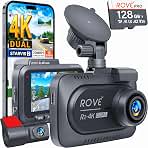
ROVE R2-4K Dual Dash Cam Front and Rear
The only dual channel camera here: front and rear coverage in one purchase, STARVIS 2 sensor up front, and a 128GB card in the box
Rear channel adds a cable run through the headliner, and the rear image is the softer of the two
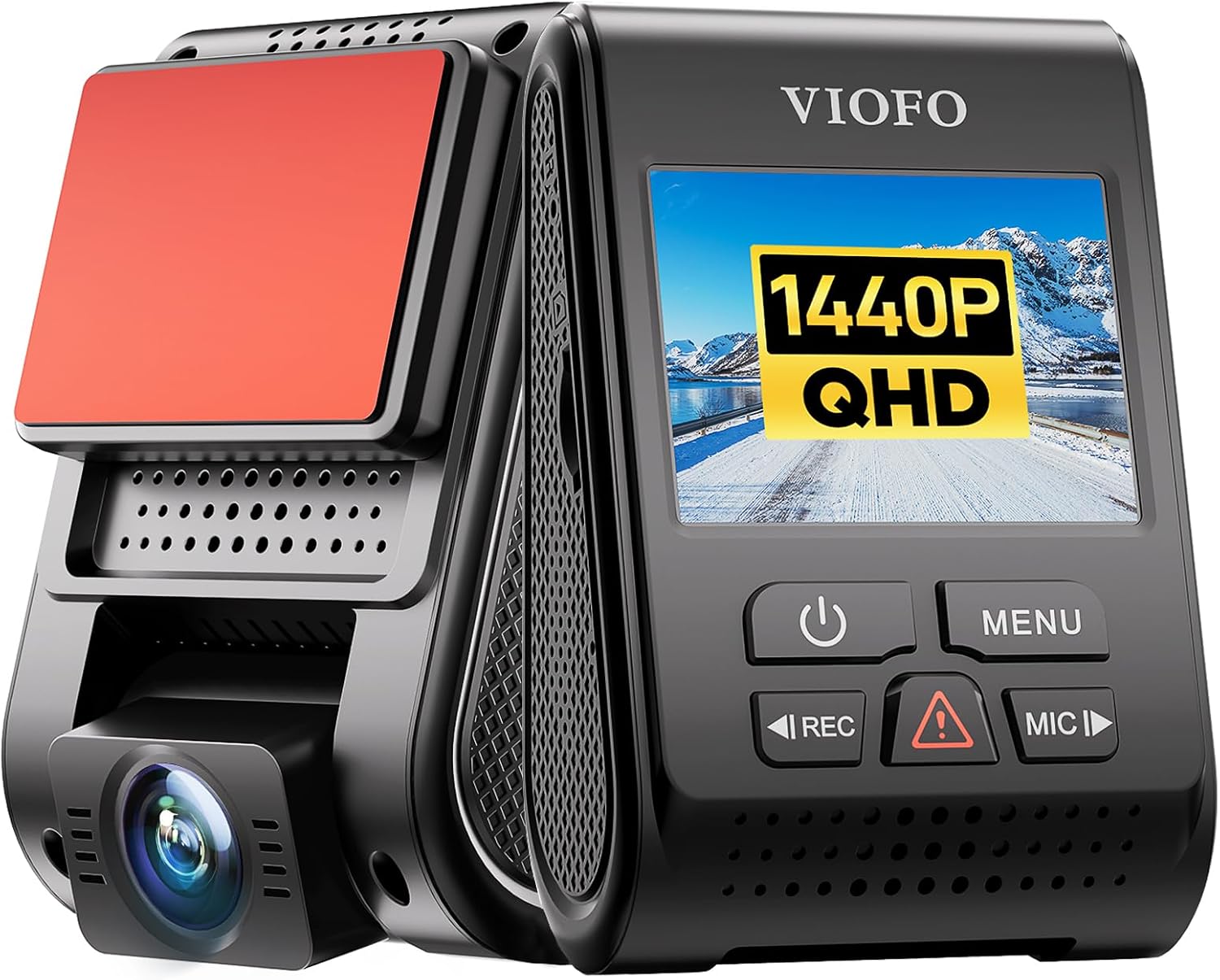
VIOFO A119 V3 Dash Cam
The longest track record in the group: 2K front recording, GPS, and true HDR for dusk plates
No rear coverage, and the resolution number is lower than two cameras in this table
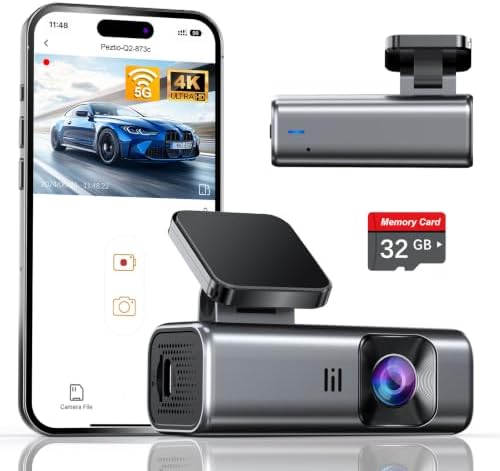
galphi 4K Dash Cam Front
Small body that hides behind the mirror, 4K front recording, 5GHz WiFi, and a 32GB card included
Small bodies run hotter with less surface area to shed heat, and a 32GB card fills fast at 4K

Thinp Electrostatic Film for Dash Cam
Four heat resistant sheets plus an adhesion promoter, so adhesive mounts stick to film instead of tint or defroster lines
It is a mounting surface, not a camera, and it will not rescue a mount that is already failing
Prices and availability were captured from Amazon Creators API and may change.
What actually matters on a windshield
Six years of night driving on I-10 taught me that a dash cam spec sheet is mostly decoration. Four things decide whether the footage is worth anything when an adjuster looks at it, and resolution is not one of them.
Night footage comes first. The number that matters is not 2K or 4K, it is sensor size and bitrate, and bitrate is the spec almost nobody publishes. A 4K sticker on a small sensor with a low bitrate produces mush at 40 mph, where a plate needs to be readable in a single frame. When a listing hides the bitrate, treat the resolution claim as a maybe rather than a fact.
Heat comes second, and in Phoenix it comes first. A camera that packs a lithium battery will swell on a dashboard that hits 180°F while parked. Capacitors are the only power source I trust up there, and any camera marketed for hot climates with a battery inside is a camera with an expiration date.
Parking mode comes third, and it only works if the camera is hardwired to the fuse box. Plugged into a cigarette lighter, the camera dies with the ignition and records nothing while you are inside a store. That is not a camera problem, it is an install problem, and it is the one people skip.
Storage comes last and it is the cheapest fix on this list. A normal SD card corrupts at exactly the moment you need it. High endurance is the rating you want, and it is printed on the card itself, not on the box.
Add the mount, which nobody thinks about until a suction cup lets go at 110°F, and you have the full list of things this comparison cares about.
ROVE R2-4K: the two-channel answer
The ROVE R2-4K is the only dual channel camera in this group, and that is the entire argument for it. Front and rear in one box, one card, one install, with a STARVIS 2 sensor in the front unit. The listing also includes a 128GB card, which removes the most common mistake people make: buying a decent camera and pairing it with a cheap card that was never built for constant recording.
Why the rear channel matters more than people think. I got rear-ended twice in six years. The first time, the other driver told the officer I ran the light, and with no footage it became a three-month he-said-she-said fight that raised my premium anyway. A rear camera sees the car that hits you and the lane position before impact, and that is the context an adjuster actually asks for.
What it costs you is the install. A rear channel means routing a cable along the headliner and through the hatch or trunk boot, which is an afternoon for a first timer and twenty minutes for anyone who has done it. The other trade-off is bandwidth: dual channel cameras split processing between two feeds, so the rear image is usually the softer of the two. Budget for that instead of being surprised by it.
Visit on Amazon → or read the full listing for the included card details.
VIOFO A119 V3: the single-channel veteran
The VIOFO A119 V3 records 2K in front, with GPS and true HDR, and it has the longest track record in this group. VIOFO's single channel cameras are the ones I still see running in driver groups after several Phoenix summers, and that longevity is the point. A dash cam is not a gadget you upgrade every year; it is a witness you forget about until the day you need it.
HDR is doing real work here. It is the difference between a plate that reads at dusk and a white blob surrounded by headlight glare, and dusk is when a shocking share of the close calls happen. 2K is not 4K, and I will say plainly that the resolution number on this camera is lower than two others in the table. What you get in exchange is a design built around a single front channel, so there is no bandwidth split, plus GPS for timestamped speed and location that supports the clip when someone questions it.
What it costs you: no rear coverage at all, and a GPS module that mounts separately on some configurations. If you want rear footage later, you are buying a second camera and running a second card, not adding a channel to this one.
Visit on Amazon → and confirm which bundle you are buying, since VIOFO ships this camera in a few configurations.
galphi 4K: the mini for a tight budget
The galphi 4K is the budget entry here: 4K front recording, 5GHz WiFi for pulling clips to your phone without waiting all afternoon, a 32GB card in the box, and a body small enough to tuck behind the mirror. The small footprint is a genuine advantage for rideshare drivers who do not want passengers staring at a camera all shift.
Two honest caveats. First, 4K on a mini body with an undisclosed sensor and bitrate is a claim rather than a guarantee, and heat is the enemy of small bodies because there is less surface area to shed it. Second, a 32GB card fills quickly at 4K. If loop recording is working the way it should, that is fine, but plan on a high endurance card before a long road trip. The 5GHz WiFi is the feature that makes this camera feel more expensive than it is, because 2.4GHz transfers of a 4K clip are genuinely painful.
Best for a second car, a teen driver, or a first camera where the budget is real and the priority is having something recording rather than having the best something.
Visit on Amazon → and read what the listing says about the sensor before you decide.
Thinp electrostatic film: the cheap install insurance
The Thinp film is four sheets of clear electrostatic sticker plus an adhesion promoter, and it does one job well: it gives your adhesive mount something to stick to that is not your windshield tint or your defroster lines, and it comes off clean when you sell the car or move the camera. Four sheets at this price point is the least expensive way to protect glass, and heat resistance is the entire reason the product exists.
Here is where it matters. Adhesive mounts fail in heat more often than people admit, and the failure mode is ugly. The camera drops, the mount pad is destroyed, and the windshield keeps a residue ring you will be scraping with a razor blade. A sacrificial film layer means you peel and replace instead of scraping. The adhesion promoter matters on cold or dusty glass, where a bare pad can lift within a day of installation.
One caveat: electrostatic film is a mounting surface, not a suction cup replacement, and it will not fix a mount that is already bad. It is also not a camera. Buy it alongside a camera, not instead of one.
Visit on Amazon → and keep a spare sheet in the glovebox.
Trade-offs nobody puts on the box
Every product here asks you to give something up, and the honest summary looks like this:
- ROVE R2-4K: you gain rear coverage and a card in the box, and you give up simplicity plus a slice of rear image quality.
- VIOFO A119 V3: you gain a proven single channel design with HDR and GPS, and you give up resolution and any rear coverage.
- galphi 4K: you gain price, size, and 5GHz WiFi, and you give up thermal headroom and card capacity.
- Thinp film: you gain a clean windshield and a reusable mounting surface, and you give up almost nothing except the few dollars it costs.
The trap is buying the resolution number instead of the system. A 4K camera with a cheap card, a bad mount, and no parking mode hardwire will miss more than a 2K camera that was set up properly.
Who should buy which
Buy the ROVE R2-4K if you want one purchase to cover both ends of the car, especially as a rideshare or delivery driver who spends the day being followed. The rear channel is the feature you will be glad about, and the included card means you can install it the day it arrives.
Buy the VIOFO A119 V3 if you want a single honest front camera with a track record, you have a clean windshield, and you are not going to touch the fuse box. It is the least complicated good decision on this page.
Buy the galphi 4K if the budget is the deciding factor, the car is a second vehicle, or the driver is new and you want a camera small enough to forget about.
Buy the Thinp film with whichever camera you choose. It is the cheapest line item in this comparison and the one most likely to save you an afternoon of scraping adhesive off glass in the heat.
What I'm testing next
The ROVE dual channel is the one going into the heat rack next, because rear coverage plus Phoenix summer is the exact combination that decides my picks every year. I will be logging heat shutdowns, card behavior at 4K, and how the rear channel holds up once the cabin has been parked in the sun all afternoon. If a camera cannot survive that, it does not belong on a windshield here, and I will say so.