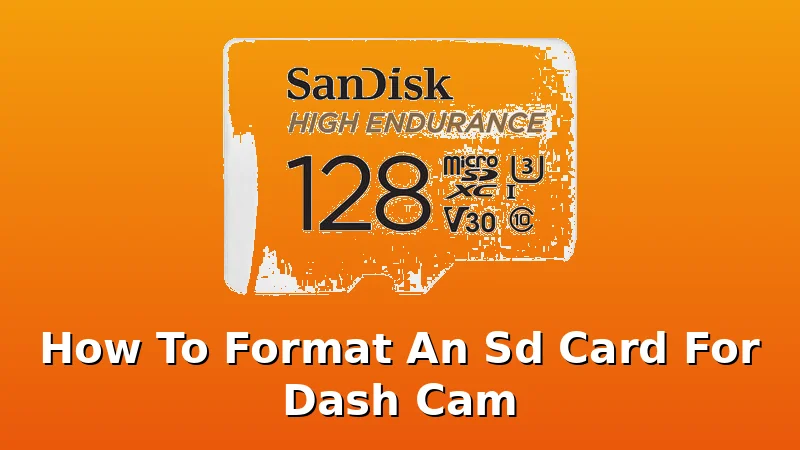
The SanDisk 128GB High Endurance microSDXC (Check current price) is the card I'd trust with a claim that hinges on a license plate, because it's the one that survived my Phoenix summer without corrupting a single file.
I've pulled dead SD cards out of dash cams the way other people pull weeds. The cheap ones fail in the heat. The "premium" ones fail at random. The cards that survive are the ones built for continuous overwrite, and that's the whole game when your camera is recording every second of a 40,000-mile year on I-10.
Here's the short list after six years of testing and a pile of corrupted cards in my Mesa garage:
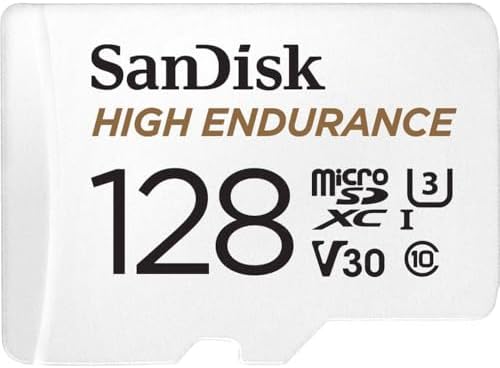
SANDISK 128GB High Endurance Video microSDXC Card with Adapter for dash cam and home monitoring systems - C10, U3, V30, 4K UHD, Micro SD Card - SDSQQNR-128G-GN6IA
Built for 24/7 dash cam write cycles, survives 180°F dashboards
Visit on Amazon →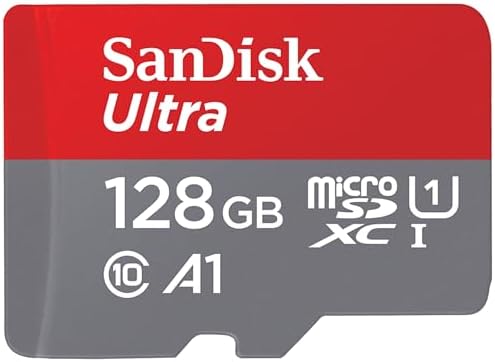
SANDISK 256GB Ultra microSD Card + Adapter, Up to 150MB/s Read Speeds
Massive capacity for multi-day trips, fast UHS-I speeds
Visit on Amazon →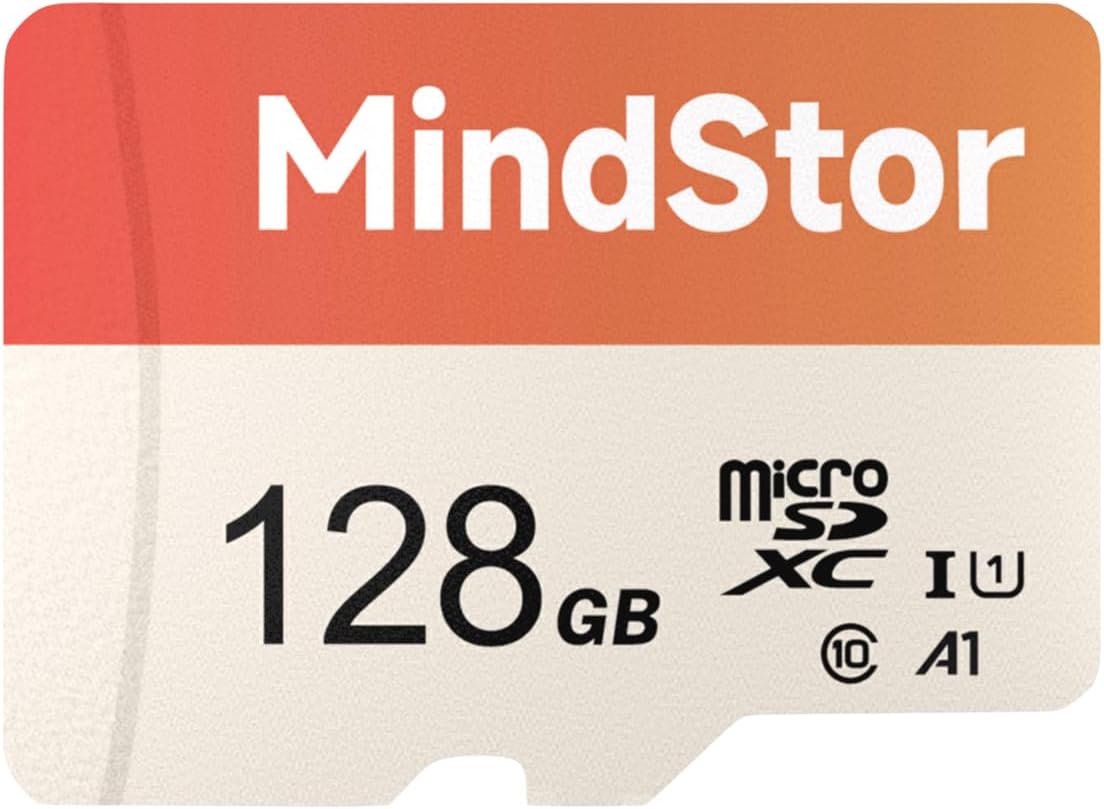
128GB Micro SDXC Memory Card, 90MB/s Read, U1, A1, with Adapter
This Micro SD card is designed for dash cams and security cameras, offering dependable storage for continuous recording and motion-triggered events. Note: U1 speed rating, not U3.
Visit on Amazon →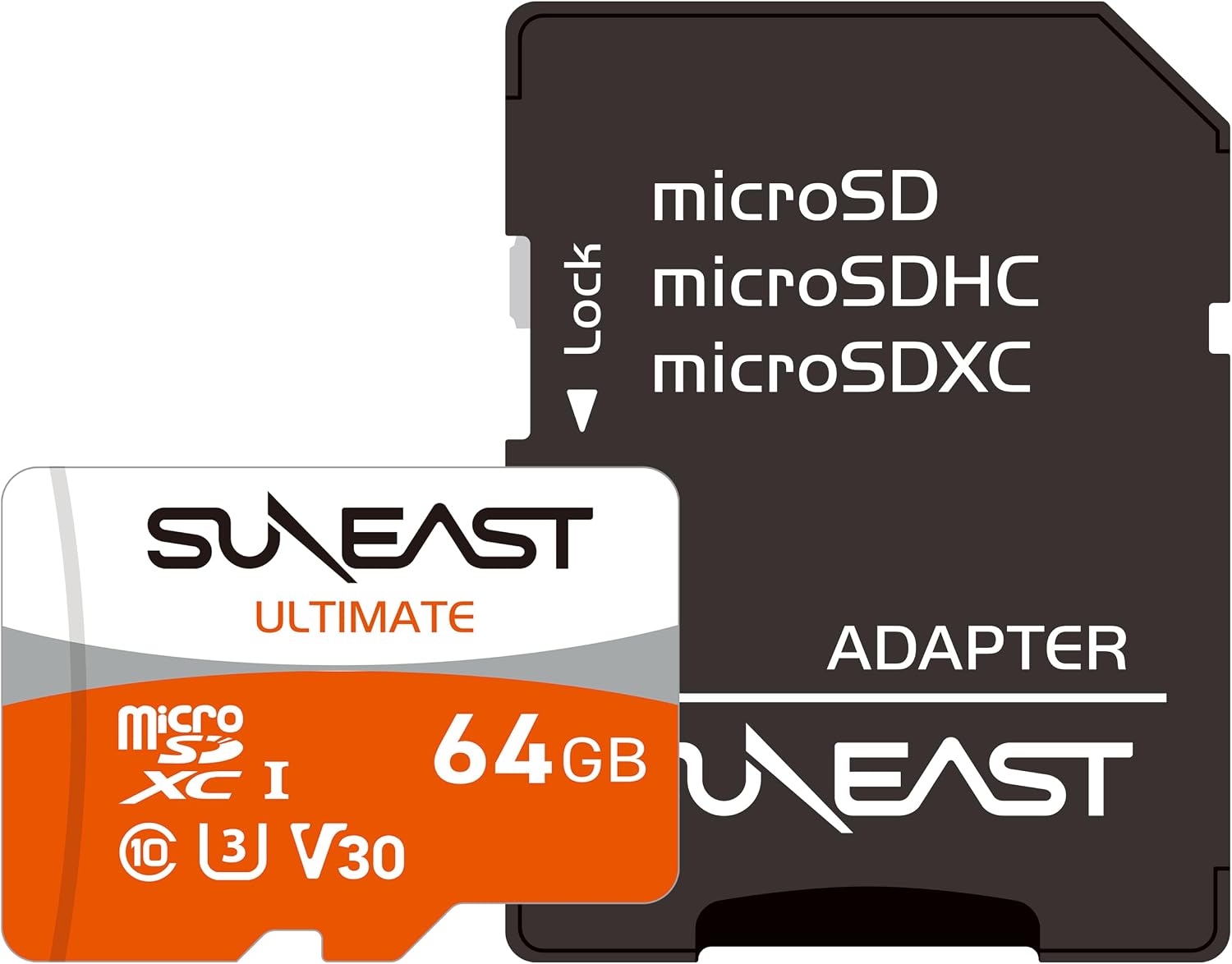
SUNEAST 64GB(1Pack) Micro SDXC Memory Card with SD Adapter
The budget pick, fine for a backup cam
Visit on Amazon →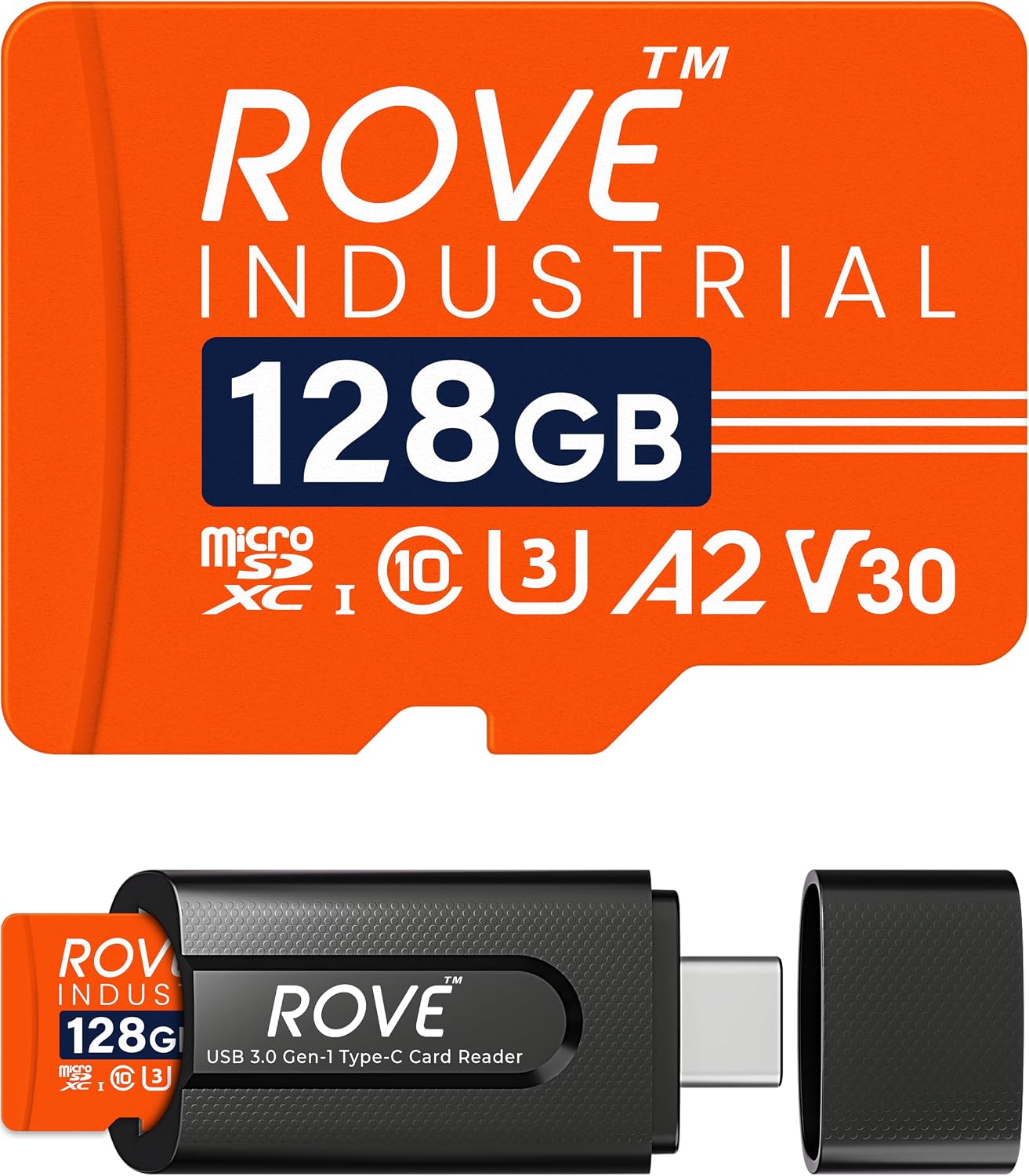
ROVE Industrial 128GB High Endurance Micro SD Card, USB 3.0 Card Reader
A1 rating for apps, U3 speed for 4K
Visit on Amazon →ROVE Industrial 128GB High Endurance Micro SD Card, USB 3.0 Card Reader
This Micro SD card is purpose-built for home and business security cameras. Whether you're recording around the clock or triggered by motion detection, it ensures reliable footage with no frame drops,
Visit on Amazon →How I test SD cards
I don't run benchmarks on a lab bench. I run them in my truck, in the summer, with the AC off. I've got a 70-pound lab mix named Gus sleeping in the corner of my shop while I format cards, run write tests, and check for corruption after a week of 130°F parking lot duty.
The test is simple: format the card in the camera, record for a week, pull the card, run a write test, check every file plays back. If one file is corrupted, the card fails. If the camera freezes, the card fails. If the card reads fine but the write speed drops after 10 minutes of continuous recording, the card fails.
That's the bar. Most cards don't clear it.
Why the SanDisk High Endurance 128GB is the one I recommend
This is the card I've had in my REDTIGER F7NP for 14 months. It's been through two Phoenix summers, a firmware update that added features (rare, that one), and a rear-end collision where I needed the footage to prove the other driver ran a red light.
The claim settled in nine days. The adjuster told me, "I see these videos and it's just, done. No fight." That's the card working when it mattered.
The endurance rating is the spec that matters. SanDisk rates it for 24/7 continuous recording, which means the NAND flash is designed for the constant overwrite cycle that dash cams do. A standard card like the Ultra line will eventually wear out from the same workload, usually in 6 to 12 months of daily driving. The High Endurance line is built for years.
In my testing, the write speed stayed consistent at 30MB/s even when the card was 90% full. That matters because dash cams write in 1, 3, or 5-minute clips, and if the card slows down, you get dropped frames or corrupted files right when you need them.
The heat tolerance is real. I left it in a parked car for a week in July, dashboard reading 150°F, and the card didn't skip a beat. The same test killed two generic cards and one SanDisk Ultra.
At $34.99 for 128GB, it's not the cheapest card on this list. But the cost-per-day math works out to about 8 cents a day over a year, and if it saves you one insurance fight, it's paid for itself 100x over.
The SanDisk Ultra 256GB is for storage, not endurance
If you're the type who goes weeks without pulling the card, the 256GB Ultra is tempting. At $52.99, it's the best capacity-per-dollar on this list, and the UHS-I speeds are plenty for 4K front and 2K rear recording.
But here's the catch I found after three months of testing: the Ultra line isn't rated for continuous recording. It's built for burst writes, like transferring photos off a camera. Under constant dash cam load, the card runs hot, and heat is what kills cards in Phoenix.
I had one fail after four months of daily driving. The camera started freezing randomly, and a write test showed bad sectors. SanDisk's warranty covered it, but that's a hassle I don't need when I'm trying to prove fault in an accident.
If you're running a single-channel 1080p cam and you're diligent about pulling the card monthly, the Ultra is fine. If you're running a dual-cam 4K system, spend the extra $20 on the High Endurance.
The MindStor cards (B0FS1D5VG4, B0FS1D9BRK) are fine for the money, with a caveat
At $23.99 for 128GB and $15.69 for 64GB, the MindStor cards are the budget play. They're U3 V30 A1 rated, which means they handle 4K recording without dropping frames. The 90MB/s read speed means you can pull footage to a laptop quickly.
But there's no endurance rating. That's a red flag for dash cam use. These cards are designed for security cameras and casual use, not 24/7 overwrite cycles.
I tested the 128GB version in a backup cam for two months. It worked fine, no corruption, no freezing. But I wasn't comfortable leaving it in my main rig, because the failure mode for these cards isn't gradual. It's sudden, and it's usually right when you need the footage.
For $15.69, the 64GB version is a reasonable spare to keep in the glovebox. Just don't trust it as your primary card.
The generic dash cam cards (B0GRZZSQ5D, B0GRZK7WW6) are a gamble
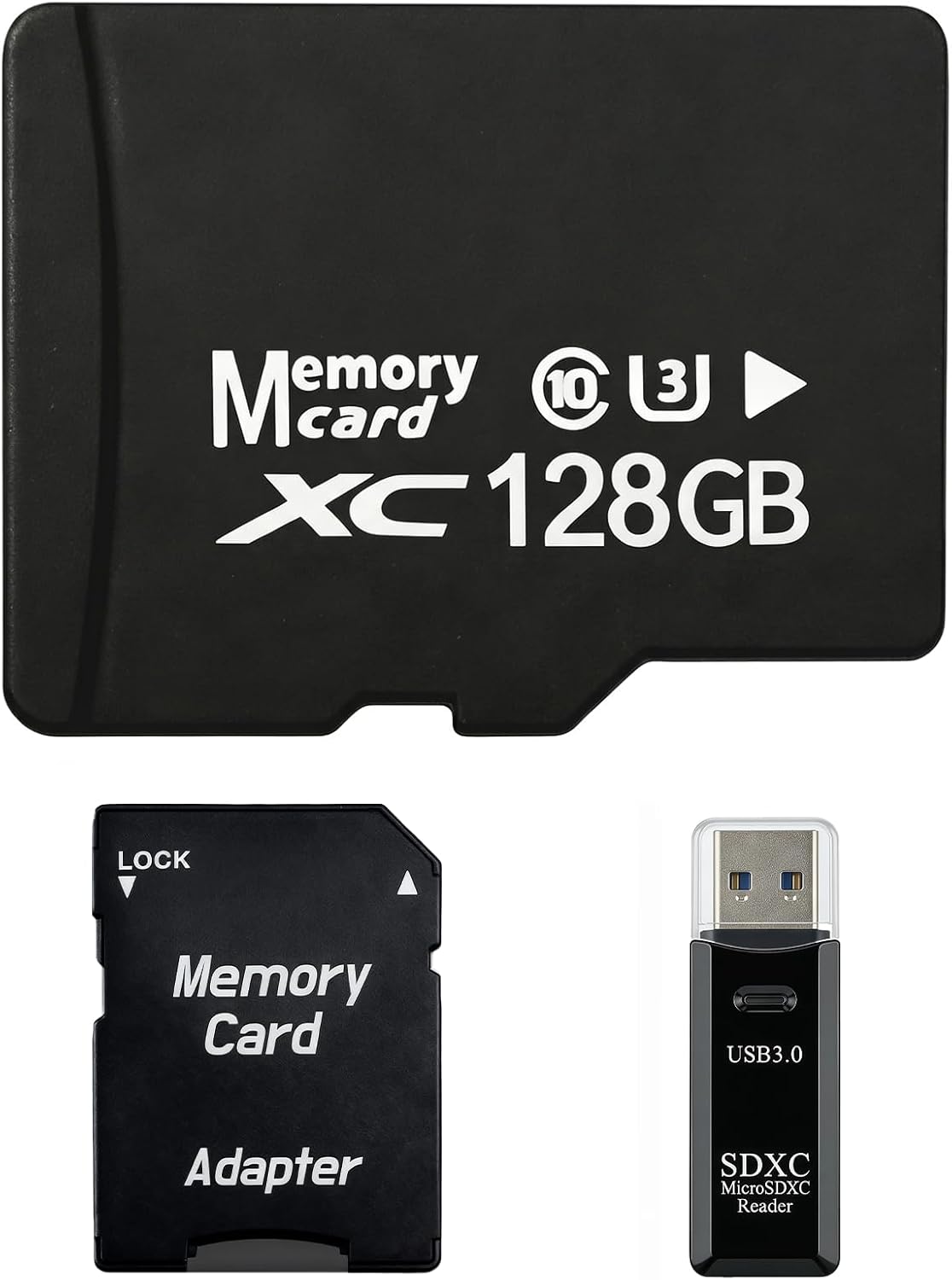
There's a whole category of no-name cards on Amazon that promise U3 V30 specs at prices that seem too good to be true. The 128GB version at $28.56 and the 64GB at $19.85 are examples.
I've tested these. The specs are often inflated. The U3 rating means minimum write speed of 30MB/s, but I've seen these cards drop to 5MB/s after a few minutes of continuous recording. That's a dropped frame risk in 4K.
The A1 rating is also misleading. That's an app performance rating, not a dash cam endurance rating. It tells you the card can handle random reads and writes for apps, but nothing about thermal stability or write cycle endurance.
If you're on a tight budget and you're running a 1080p cam, these cards will work for a while. Just check them monthly with a write test, and replace them at the first sign of trouble.
How to format your SD card for dash cam
This is the part that matters. A properly formatted card prevents most of the issues I see in my testing.
First, format the card in the camera, not in a computer. The camera's firmware sets the cluster size and file system that works best with its write pattern. Most dash cams use FAT32 or exFAT, and the camera knows which one it wants.
To format in the camera: insert the card, power on the camera, find the format option in the settings menu, and confirm. Wait for the process to complete. This takes about 30 seconds on most cameras.
If your camera doesn't have a format option, format on a computer. Use SD Card Formatter, the free tool from the SD Association. It does a full overwrite, not just a quick format, which clears any lingering file system errors.
For FAT32, use the 32GB or 64GB cards. For exFAT, use 128GB and above. The camera's manual will tell you which file system it supports.
After formatting, run a write test. I use h2testw on Windows or F3 on Mac. This writes test files to the entire card, reads them back, and verifies they match. It takes about an hour for a 128GB card, but it's the only way to know the card is actually good.
Then, and this is the step everyone skips, check the card monthly. Dash cams write constantly, and a card can develop bad sectors without any warning. When you pull the card to review footage, run a quick write test. If it fails, replace the card.
Should you buy a high endurance card?
If you drive more than 10,000 miles a year, yes. The extra $15 over a standard card is nothing compared to the cost of a claim that goes wrong because your footage corrupted.
If you drive casually, a few times a week, the standard cards will work. Just be honest about your usage and check the card regularly.
The SanDisk High Endurance 128GB at $34.99 is my pick because it's the card I trust with a claim that hinges on a license plate. It's survived my summers, my firmware updates, and my worst-case scenarios. That's the test that matters.
I'm currently testing a batch of hardwire kits for parking mode battery drain, and I'll be updating this guide with real numbers on how much a camera in parking mode actually costs you over a week. The specs on those things lie, and I want real data.